What is VLDL Cholesterol?

Lindsay Knake
| 3 min read
Lindsay Knake is a brand journalist and project plan...
Key Takeaways
- VLDL stands for "very-low-density lipoprotein," a type of cholesterol that carries triglycerides and cholesterol through the bloodstream to organs and tissues.
- High levels of VLDL cholesterol can increase the risk of heart disease and aortic aneurysm, and typically occur alongside high triglycerides, high LDL cholesterol and high total cholesterol.
- Lowering VLDL cholesterol is based on lowering LDL and triglycerides, and can be managed through lifestyle habits such as eating a heart-healthy diet, exercising regularly and maintaining a healthy weight.
You’ve heard of HDL and LDL cholesterol, but do you know about VLDL cholesterol?
This is an acronym for “very-low-density lipoprotein.” Here is what to know about VLDL cholesterol, what it means for your health and how to manage it.
What is VLDL cholesterol?
Cholesterol is a waxy substance used for building tissue, producing hormones and making vitamin D. The two main types of cholesterol are low-density lipoprotein (LDL), or “bad” cholesterol, which makes up most of your body’s cholesterol. High LDL cholesterol raises your risk for heart disease and stroke. High-density lipoprotein (HDL) cholesterol, known as “good” cholesterol, can lower your risk for heart disease and stroke.
VLDL is a lipoprotein created in the liver that carries triglycerides and cholesterol through the bloodstream to your organs and tissues, according to the Cleveland Clinic. VLDLs help to regulate blood pressure, store energy and gain energy. While VLDL refers to the lipoprotein particles, VLDL cholesterol is the cholesterol carried on those particles.
While necessary for health, high levels of VLDL can increase your risk for heart disease and aortic aneurysm. Cholesterol particles can become trapped in artery walls and narrows them, which leads to higher blood pressure and the heart working harder. Typically, when someone has high VLDL cholesterol they also have high triglycerides, high LDL cholesterol and high total cholesterol.
How do I find my VLDL cholesterol levels?
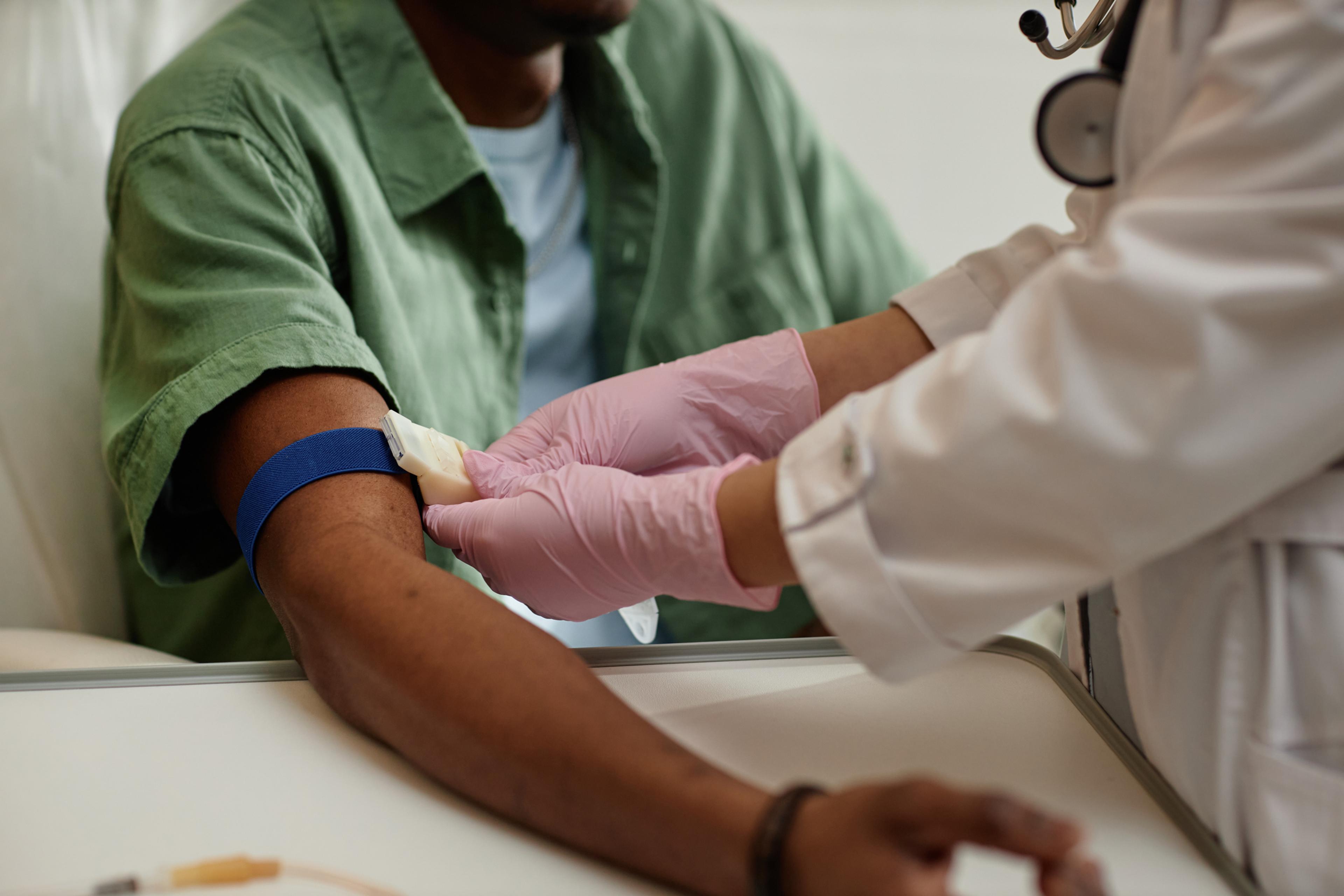
There isn’t a specific test for VLDL cholesterol. When you get a lipid panel to measure your total cholesterol, you will get a VLDL cholesterol number. There is a math formula to interpret your VLDL based on your triglyceride levels, which are typically five times higher than your VLDL cholesterol level.
A healthy range for VLDL is below 30 milligrams per deciliter (mg/dL), and high VLDL cholesterol is 30 mg/dL or higher.
Your primary care provider (PCP) may not discuss your VLDL cholesterol with you during your annual physical or other visit, especially as lowering VLDL cholesterol is based on lowering LDL and triglycerides.
People younger than age 20 should have a cholesterol screening at least once, and younger adults should be screened every five years, according to the U.S. Preventive Services Task Force. For individuals ages 40-65+, cholesterol screening should be a part of annual physical with your PCP.
How to lower high VLDL cholesterol
If you have high total cholesterol, LDL or VLDL, talk to your PCP. Statins are a common medication to manage cholesterol levels. The No. 1 cause of death in the United States is heart disease. High cholesterol and heart disease are preventable conditions, and managing these conditions early can lead to lower risk of serious health outcomes and save you money on health care.
There are also lifestyle habits you can
- Eat a heart-healthy diet with plenty of vegetables, fruit, whole grains, healthy fats and lean proteins
- Limit sodium and sugar in your diet
- Reduce or avoid alcohol
- Quit smoking
- Exercise 30 minutes a day, five days a week
- Maintain a healthy weight
Image: Getty Images
Related: