Telehealth Myths Debunked: What Patients Need to Know

Peter Graham, M.D.
| 3 min read
Peter T. Graham, M.D., is the clinical director for ...
Key Takeaways
- Through virtual visits, healthcare providers can accurately diagnose a wide range of conditions, including cold and flu symptoms, mild respiratory illnesses, skin conditions, and behavioral health concerns.
- Virtual visits are secure, with privacy protections in place, and are covered by most health plans.
- Patients can improve the quality of telehealth appointments by testing their technology in advance, gathering medication and health information, documenting symptoms and questions, and choosing a private, well-lit location for the visit.
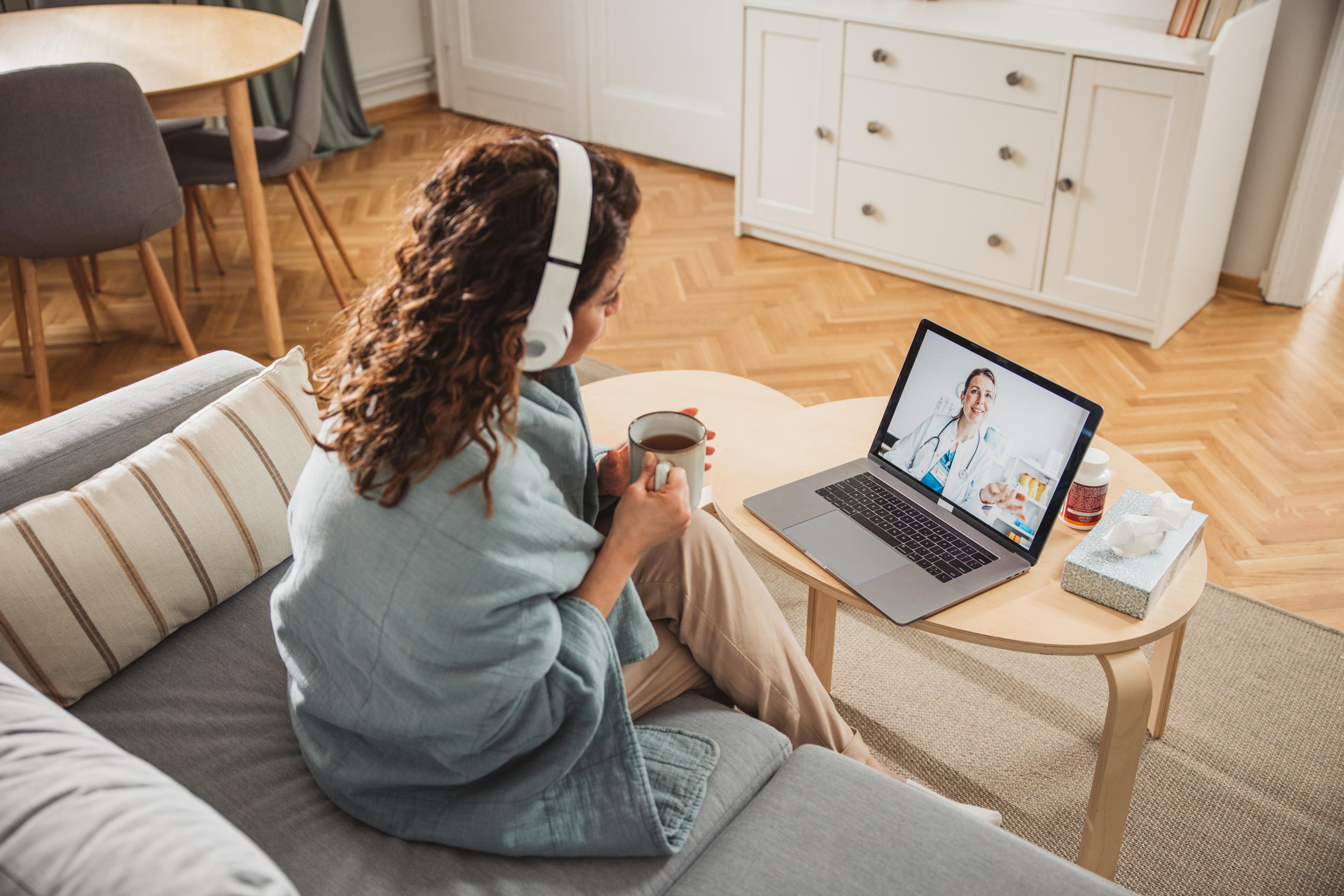
Online doctor visits, also known as telehealth, have become a standard part of the way people receive healthcare today. People can talk with their healthcare providers via video call for check-ins, follow-ups, sick visits, behavioral health issues and more.
Yet, there are those who still harbor some hesitation about telehealth capabilities and have lingering doubts about what virtual care can actually deliver. Let’s clear up some confusion about virtual visits and its role in healthcare.
Common misperceptions about telehealth
Myth: Health issues cannot be accurately diagnosed in a virtual visit.
Many common ailments can be appropriately and accurately diagnosed through virtual visits. By having a thorough conversation and visually assessing a patient through video, providers can get a detailed understanding of a patient’s symptoms, make an informed diagnosis and recommend treatment.
A Mayo Clinic study found that for patients with new clinical concerns, diagnoses made through telehealth matched the diagnosis made through in-person visits about 87% of the time. For behavioral health issues, this proved to be true 96% of the time.
Myth: Telehealth is only appropriate for minor issues or illnesses.
While it’s true that some health conditions really need to be addressed in person, many health concerns and symptoms are well suited for a virtual visit, including:
- Cold and flu symptoms
- Mild respiratory issues
- Skin conditions such as rashes or insect bites
- Urinary tract infections
- Behavioral health concerns
- Medication management or follow-up questions
Some symptoms and conditions do require hands-on evaluation, lab work, imaging or other procedures. Patients experiencing severe pain, bleeding, injury or signs of a medical emergency should seek in-person care.
Myth: Telehealth visits are not private or secure.
Authorized telehealth platforms must use HIPAA-compliant encryption to protect patient privacy and keep all information secure. This encryption protects video, audio and messaging from being accessed by unauthorized sources.
Patients can keep their own information secure by activating appropriate security controls on their personal devices, conducting telehealth visits from a private location and using multifactor authentication.
Myth: Telehealth visits are not covered by insurance.
Most insurers cover telehealth visits. However, insurers may have policies around which providers or telehealth platforms they will cover. Patients should check with their health plan to see which telehealth options are in their network of care and what the requirements are for coverage.
How to prepare for a virtual appointment
Patients preparing for a virtual appointment can use these tips to enhance their telehealth visit:
- Use appropriate technology and make sure it works correctly: Ensure that devices are fully charged and the camera and microphone are working properly.
- Prepare a list of symptoms: Note when symptoms began, how they have changed and what makes them better or worse.
- Find a private space: It helps to be in a space with good lighting and no distractions, so the healthcare provider can clearly see and focus on the patient.
- Keep important information handy: Patients should be able to share a medication list, rest results, and any home monitoring data – like blood pressure or blood sugar measures – with their provider.
- Prepare questions in advance: Having questions ready helps patients and providers stay focused on the visit.
While telehealth does not replace all in-person healthcare, it does offer convenience and access advantages for patients. By understanding telehealth’s capabilities and how to properly use it, people can feel confident about integrating it into their healthcare routine.
Peter Graham is the clinical director for the Blue Care Network. For more health tips and information, visit MIBlueDaily.com.
Photo credit: Getty Images