How to Increase HDL Cholesterol

Jake Newby
| 4 min read
Jake Newby is a brand journalist for Blue Cross Blue...
Key Takeaways
- In general, an HDL level of 60 mg/dL or higher is considered protective, while levels below 40 mg/dL for men and 50 mg/dL for women are considered low.
- HDL is a cholesterol number you can often improve by making lifestyle changes like exercising, eating healthy fats and quitting smoking.
- Even losing a modest amount of weight – which can be achieved through a balanced diet – can help you boost your HDL cholesterol.
If you’ve ever had blood work done, your primary care provider (PCP) probably spoke to you about your HDL cholesterol, also known as the “good” cholesterol. And if your number came back low, you may have been advised to work on raising it.
But what does sustainably increasing your HDL cholesterol look like on a day-to-day basis? Here’s everything you need to know.
Why does HDL cholesterol matter?
HDL stands for high-density lipoprotein. Unlike LDL – or “bad” – cholesterol, which can build up in your arteries, HDL helps carry excess cholesterol away from your bloodstream and back to your liver for processing and removal.
Higher HDL levels are linked to a lower risk of heart disease and stroke, according to the Mayo Clinic. In general, an HDL level of 60 milligrams per deciliter mg/dL or higher is considered protective, while levels below 40 mg/dL for men and 50 mg/dL for women are considered low.
Understanding the role genetics play in your HDL cholesterol number
Genetics factor heavily in determining a person’s HDL cholesterol level, according to Harvard Health, which states that men who inherit genes that lead to a level less than 40 mg/dL have an increased risk of developing cardiovascular disease. Inherited genes control how much HDL the body produces, its structure and how it is metabolized, according to research, which can dictate high or low HDL.
Still, HDL is a cholesterol number you can often improve by making lifestyle changes. Here are a few you can make today with your HDL cholesterol in mind.
How can I raise my HDL cholesterol naturally?
Move your body consistently
Regular physical activity is one of the most effective ways to raise HDL.
Aerobic exercise – including brisk walking, jogging, cycling, swimming or dancing – has been shown to increase HDL levels, especially when done consistently, according to research. Aim for at least 150 minutes of moderate-intensity exercise per week, or 75 minutes of vigorous activity.
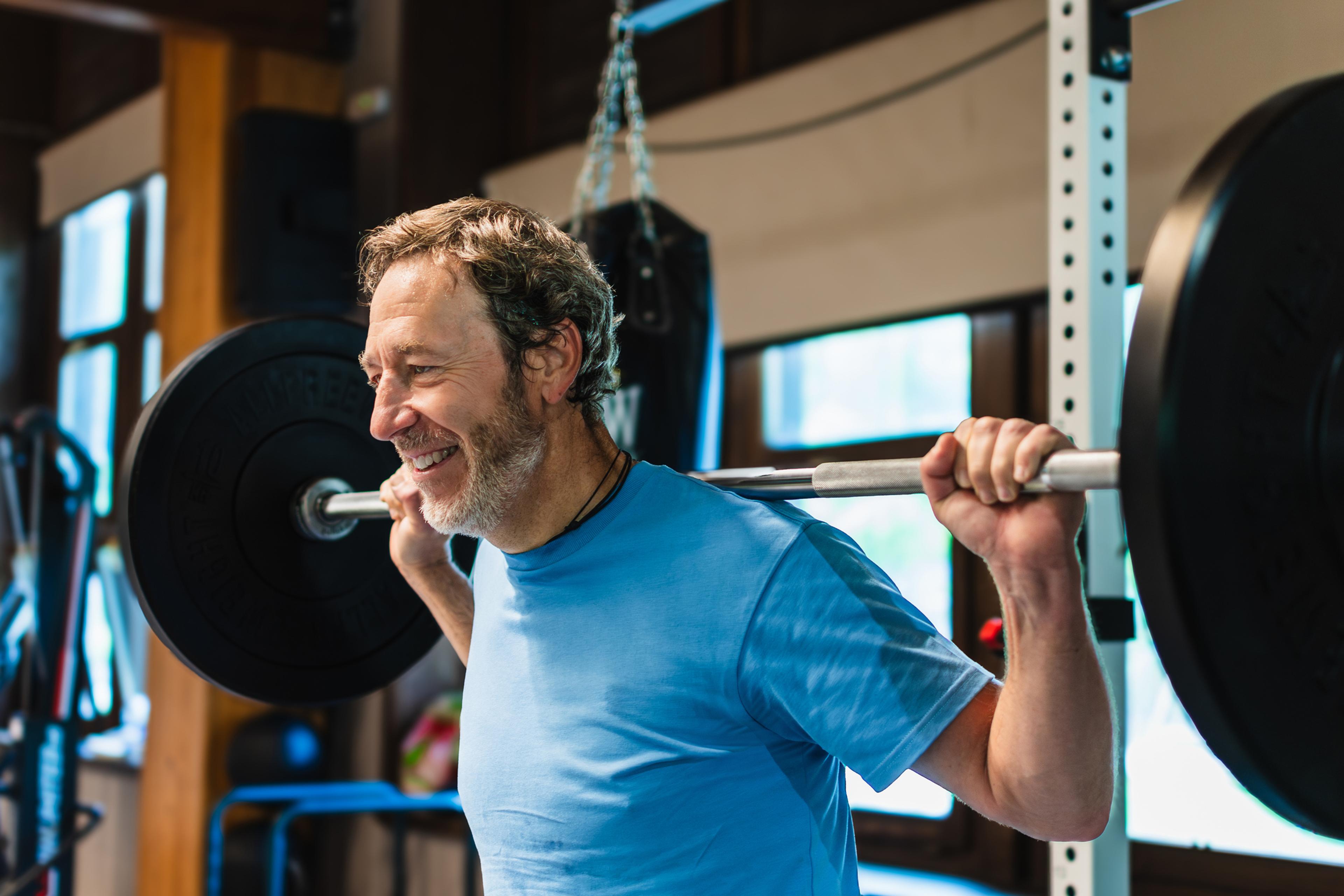
If you don’t have time for an extended workout every day, shorter sessions add up. A 30-minute walk five days a week can make a measurable difference. Strength training two or more days per week has also been shown to improve overall health.
Focus on healthy fats
Replacing saturated and trans fats with healthier unsaturated fats can improve your cholesterol profile, including HDL. Here are other heart-healthy benefits of unsaturated fats:
- They improve blood vessel function
- They help control blood sugar and insulin levels
- They lower the risk of stroke
- They provide nutrients needed by the body’s cells
Foods that support healthy HDL levels include:
- Avocados
- Fatty fish such as salmon, mackerel and sardines
- Nuts and seeds
- Olive oil and avocado oil
Try swapping butter for olive oil, choosing grilled fish over fried foods and snacking on a handful of almonds instead of chips. These are daily nutrition swaps that can add up in the long run. It’s also important to limit ultra-processed foods that are high in trans fats and reduce saturated fat from sources like fatty cuts of meat and full-fat dairy.
Maintain a healthy weight
In a study of more than 28,000 adults, increases in body mass index (BMI) were linked to lower HDL cholesterol, while decreases in BMI were associated with higher HDL cholesterol.
Even losing a modest amount of weight can help you boost your HDL cholesterol. Balanced eating and regular exercise over a long period of time are more effective than trendy – sometimes extreme – diets.
Stop smoking cigarettes
If you smoke, quitting can significantly increase HDL cholesterol. Some studies have found HDL levels to improve within a few weeks of stopping.
Smoking damages blood vessels and lowers HDL, making it harder for your body to clear excess cholesterol. Beyond your good and bad cholesterol levels, quitting benefits your entire cardiovascular system.
If you need help, talk with a health care professional about cessation programs, medications or support groups.
Limit or stop drinking alcohol
Moderate alcohol consumption is associated with higher HDL levels. Alcohol carries other health risks, including increased blood pressure and liver diseases. Additionally, there are about 100,000 alcohol-related cancer cases and about 20,000 alcohol-related cancer deaths annually in the United States. If you already drink, do so in moderation or consider eliminating it altogether.
If you are concerned about your cholesterol levels, make an appointment with your PCP to discuss any risk factors you may have. In terms of cholesterol screenings, younger adults should be screened every five years while older adults should be screened every year. For individuals ages 40 to 65 and older, cholesterol screening should be a part of their annual physical with a PCP.
Related:
Photo credit: Getty Images