CT Scan vs. MRI: What is the Difference?

Jake Newby
| 3 min read
Jake Newby is a brand journalist for Blue Cross Blue...
Key Takeaways
- A CT (computed tomography) scan uses X-rays to create detailed cross-sectional images of the body.
- An MRI (magnetic resonance imaging) uses magnets and radio waves to create highly detailed images of organs and tissues inside the body.
- Unlike MRIs, CT scans use a small amount of radiation.
- These tests produce images differently and may be used for different purposes depending on a patient’s symptoms and medical history.
When your primary care provider (PCP) recommends imaging, you may hear terms like CT scan and MRI. While both tests help providers see inside the body, they are different procedures that create images in different ways.
This overview is intended to educate and provide basic information about CT scans and MRIs. It is not a comprehensive guide and should not replace conversations with your PCP, who can recommend imaging based on your medical history and individual needs.
What’s the difference between a CT scan and an MRI?
A CT (computed tomography) scan uses X-rays to create detailed cross-sectional images of the body. Because CT scans are relatively quick and widely available, they are commonly used in many medical settings, including hospitals and emergency departments.
According to the National Institute of Biomedical Imaging and Bioengineering (NIBIB), CT scans can help providers view:
- Bones and fractures
- Internal bleeding
- Certain lung conditions and injuries
An MRI (magnetic resonance imaging) uses magnets and radio waves — not radiation — to create highly detailed images of organs and tissues inside the body. MRIs are often used to create images of:
- Soft tissues
- The brain and spinal cord
- Muscles, ligaments and joints
While both tests provide important information, they produce images differently and may be used for different purposes depending on a patient’s symptoms and medical history.
How long does an MRI take?
One of the most noticeable differences between the two procedures is how long they take.
CT scans are typically quick and may take as little as five to 10 minutes, depending on the area being examined.
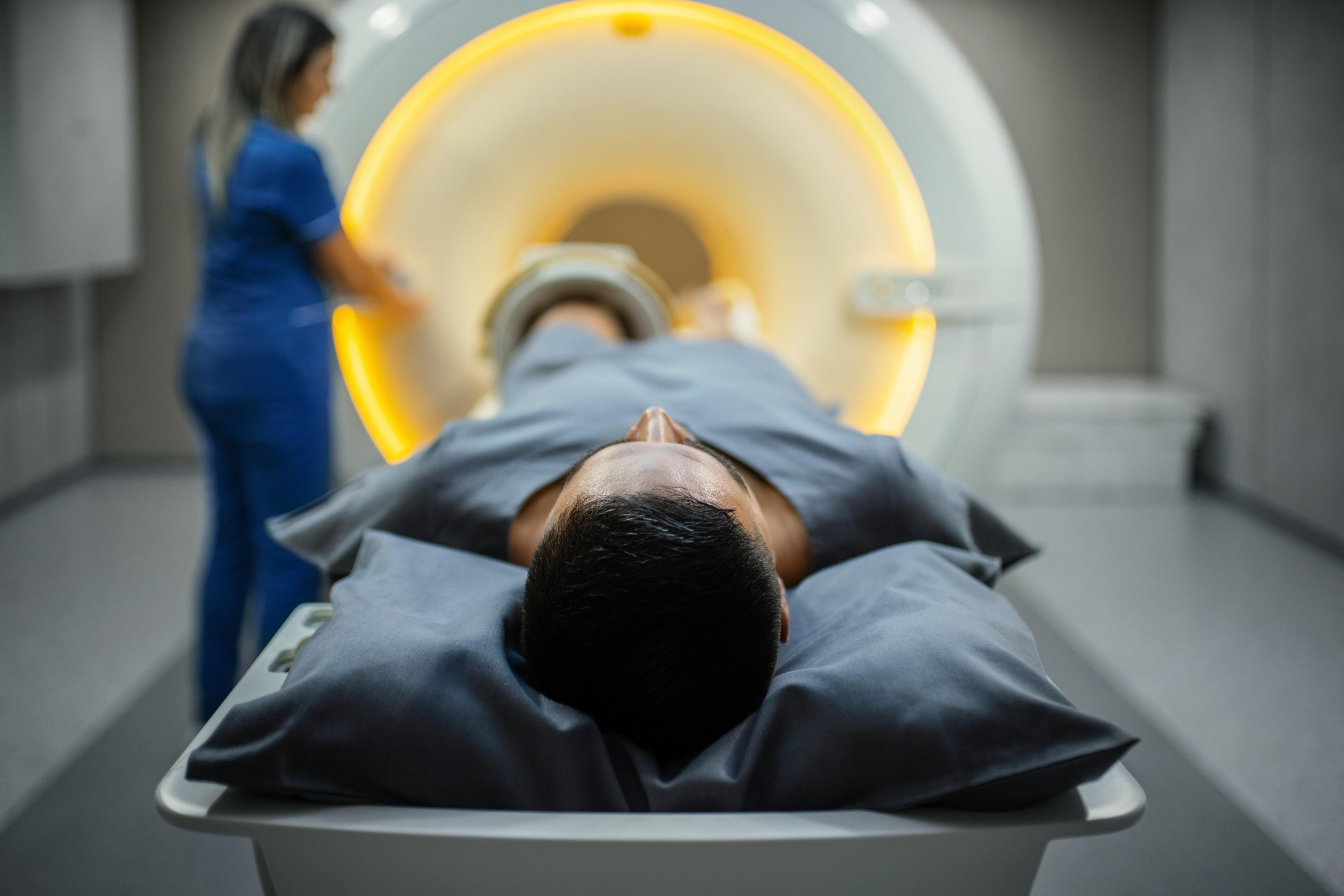
MRIs generally take longer. Many MRI scans last between 30 and 60 minutes. During the procedure, patients lie still inside a large machine while detailed images are captured.
Because MRI scans can take longer and involve remaining in an enclosed space, some people may feel uncomfortable during the procedure, particularly those with claustrophobia. Some imaging centers offer open MRI machines or additional support to help patients feel more comfortable.
CT scan vs. MRI cost and insurance coverage
The cost of imaging tests can vary widely depending on several factors, including:
- Where the test is performed (hospital vs. outpatient center)
- The part of the body being scanned
- Your health insurance coverage
If you have insurance, your out-of-pocket cost may include a deductible, copay or coinsurance. MRIs often require prior authorization, meaning your insurer must approve the test before it’s done. Before scheduling imaging, it may help to ask:
- Whether the facility you are considering is in-network
- What your estimated out-of-pocket cost will be
- If there are lower-cost imaging centers available
Having these conversations with your PCP ahead of time can help you avoid surprises.
Safety and what to expect from a CT scan or MRI
Both CT scans and MRIs are generally considered safe, though each comes with different considerations.
CT scans use a small amount of radiation. The medical benefits of CT scans, when appropriately used, generally outweigh the potential risks associated with radiation exposure, according to Harvard Health.
MRIs do not use radiation. However, because MRI machines use powerful magnets, they may not be suitable for some people with certain implanted medical devices or metal in the body. Johns Hopkins Medicine notes that patients should discuss any implants or medical devices with their provider before undergoing an MRI.
Some CT scans and MRIs also involve contrast dye to improve image quality. Your PCP will review your medical history to determine whether contrast is appropriate for you.
If you have questions about a recommended imaging test, speak with your PCP or care team. They can help explain what to expect and why imaging may be appropriate for your situation.
Photo credit: Getty Images
Continue reading: