Can You Repair Sun Damaged Skin?

Lindsay Knake
| 4 min read
Lindsay Knake is a brand journalist and project plan...
Key Takeaways
- UV radiation—UVA and UVB—causes both immediate sunburn and long‑term skin aging, increasing the risk of wrinkles, age spots and skin cancer.
- While sunburn usually heals on its own, treatments such as retinoids, vitamin C serums, chemical peels and microdermabrasion can improve the appearance of sun‑damaged skin, though results vary and some procedures require a dermatologist’s supervision.
- The most effective way to prevent damage is daily protection: stay out of peak sun hours, apply broad‑spectrum SPF 30 sunscreen every two hours, wear UPF clothing, hats and UV‑blocking sunglasses, and maintain a healthy lifestyle with hydration, a balanced diet and no smoking.
Skin damage from the sun happens to all of us regardless of skin tone because of the intense ultraviolet (UV) radiation from the sun.
While it’s important to take consistent steps to protect your skin, you may also wonder if there is anything you can do to treat skin that already has damage. Here’s a look at how UV radiation causes damage, some of the treatment options available and how to protect your skin from the sun.
How sun damages your skin
UV radiation from the sun consists of UVA and UVB radiation. UVA radiation deeply penetrates the skin and can lead to tanned skin and aging skin, including wrinkles, and genetic mutations in the cells, according to the Skin Cancer Foundation. UVB radiation, which predominately affects the top layers of skin, is a main cause of sunburn. Any sunburn or tan is skin damage.
Both types of rays can lead to:
- Wrinkles
- Age spots
- Increased risk of skin cancer
The damage from exposure to UV rays accumulates with time. The body can repair some of the damage to skin cells, but signs of aging skin and risk of skin cancer can increase, per the Skin Cancer Foundation.
Can you repair sun damaged skin?
Most of the time, sunburn heals on its own, and you can use aloe or lotion for relief. Those with a severe burn may consider seeking medical treatment. While the cell damage from sunburn or damage is mostly not reversable, you can take steps to reduce the appearance of sun-damaged skin. There are treatments can help reduce sun spots and stimulate new skin production, but they will affect individuals in different ways.
Topical skin treatments
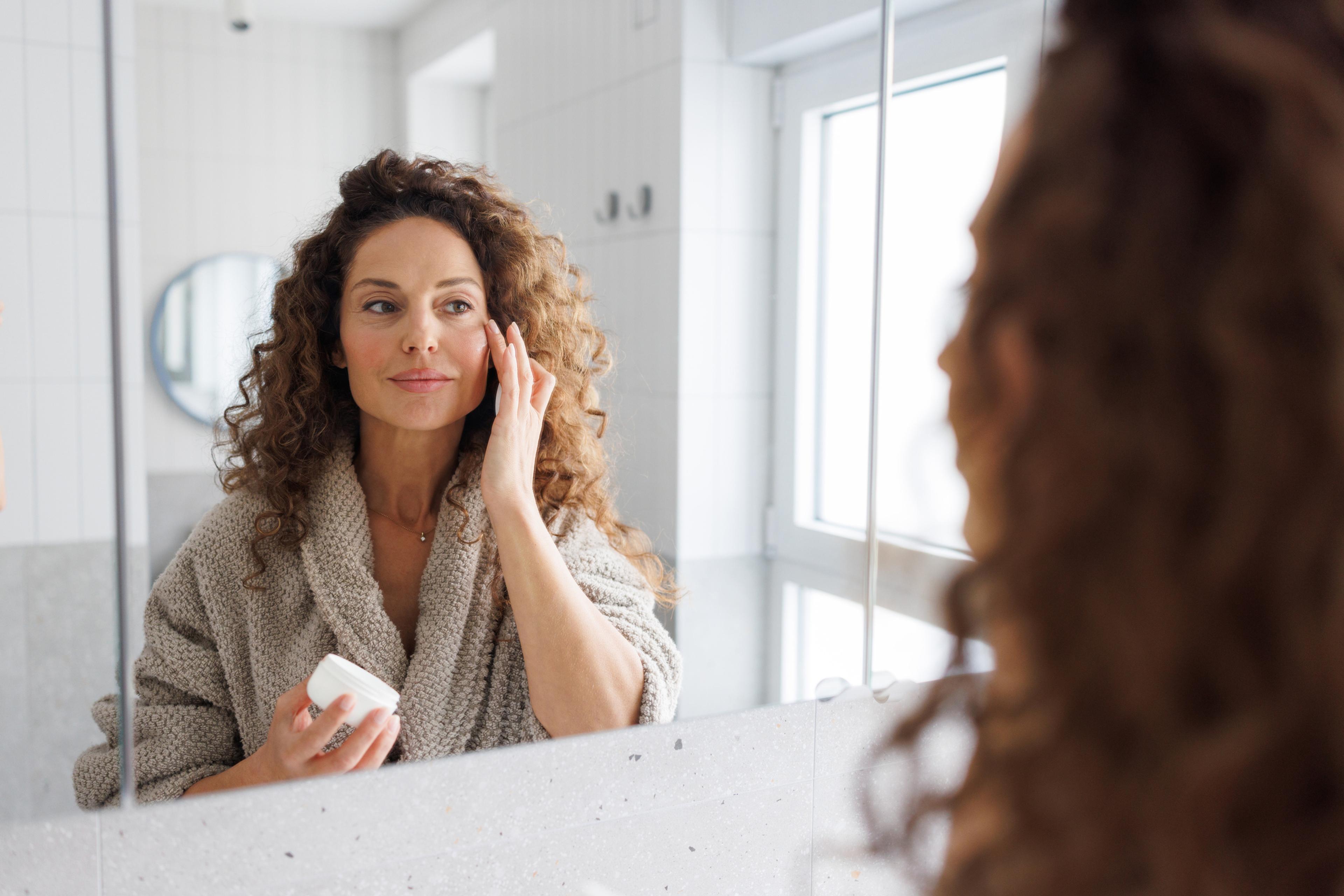
Retinol or retinoids are a skin cream that can work to slough off skin cells to allow new skin cells to reduce the appearance of dark spots and make skin smoother. This product can also help with collagen production, which can keep skin tighter, according to the Cleveland Clinic.
Vitamin C serums and products can help slow visible signs of skin damage with antioxidant properties and slow the natural breakdown of collagen. Using an exfoliant like alpha hydroxy acid can also help with skin cell turnover, per the Cleveland Clinic.
Moisturizing your skin can also help keep your skin healthy. But beware of skincare products that claim to be “anti-aging” or “wrinkle-reducing” as these do not need approval from the U.S. Food and Drug Administration and are not required to meet these claims, according to the National Institute on Aging.
Chemical peel
A chemical peel removes the top layer of skin to treat age spots and wrinkles, according to the Mayo Clinic. This type of treatment is typically done by a physician or dermatologist and may not work for everyone.
Microdermabrasion
This is another in-office procedure that removes layers of skin through exfoliation and can result in skin resurfacing, reducing the appearance of sun damage, wrinkles and discoloration, per the Cleveland Clinic. Like a peel, this treatment may not be right for everyone, and you should consult your primary care provider (PCP) or dermatologist about this treatment.
There are other, more intense treatment options available from dermatologists. Some cosmetic treatments are cosmetic rather than medical and aren’t covered by health insurance providers.
If you want to get treatment for sun damaged skin, talk to your PCP. Your PCP may refer you to a dermatologist for more specific advice and effective treatment. Discuss what’s covered and not cover with your healthcare provider.
Preventing sun damage
Treatments for sun damaged skin can only do so much, and they can be expensive. Protecting yourself from the sun’s UV rays is the best way to prevent skin damage and a higher risk of skin cancer. Here are some tips:
- Stay inside when the UV rays are at their highest levels, from 10 a.m. to 4 p.m. Check the UV Index in your area before you head outside.
- Wear broad spectrum sunscreen with at least 30 SPF daily and apply it every two hours when you are outside or after swimming or sweating.
- Wear protective clothing and hats, particularly with Ultraviolet Protection Factor (UPF) protection.
- Wear sunglasses with 100% UV protection.
- Avoid indoor tanning.
- Drink plenty of water.
- Don’t smoke and limit or avoid alcohol consumption.
- Eat foods that support your skin health, including fruits, vegetables, leafy greens and fatty fish.
Photo credit: Getty Images
Read more: