What is Synovial Sarcoma?

Jake Newby
| 4 min read
Jake Newby is a brand journalist for Blue Cross Blue...
Key Takeaways
- Synovial sarcoma is a rare type of soft tissue sarcoma that develop in the body's connective tissues such as muscles, tendons and ligaments.
- The arms, legs, chest, ankles and feet are parts of the body that are commonly affected by synovial sarcoma.
- Although it can occur at any age, synovial sarcoma is most often diagnosed in teenagers and young adults between the ages of 15 and 40,
- Tumor removal surgery is typically the primary treatment for synovial sarcoma. Radiation therapy may be used before or after surgery to reduce the risk of recurrence.
While most aches, pains and lumps aren't caused by cancer, it's important to pay attention to changes in your body that don’t get better with time.
Synovial sarcoma is a rare type of soft tissue sarcoma, a group of cancers that develop in the body's connective tissues such as muscles, tendons and ligaments.
The signs of rare cancers like synovial sarcoma can help you recognize when it's time to have a talk with your primary care provider (PCP). Because synovial sarcoma is uncommon, the first time many people hear of it is when they receive their diagnosis. That's one reason awareness matters. Recognizing unusual symptoms and seeking medical attention early can help speed up diagnosis and treatment.
Early evaluation, detection – and if necessary, intervention – can make a lifesaving difference.
What is synovial sarcoma?
Despite its name, synovial sarcoma does not usually begin in the synovial tissue that lines joints. Instead, it most often develops in the soft tissues near large joints; a recent Synovial Sarcoma Foundation (SSF) survey involving more than 200 respondents found the legs (32%) and chest (17%) to be the most common parts of the body affected. Other frequent locations, per the SSF, include:
- Arms: especially near the elbows, wrists, or forearms.
- Ankles and feet: often appearing as a lump or swelling.
- Hips and pelvis: near major joints or muscles.
- Shoulders: typically around or just below the joint.
While the medical community has not found one definitive cause of synovial cancer, it is thought to be driven by a specific genetic change that occurs after birth in the affected cells. This mutation is not inherited and cannot be passed from parent to child, according to the SSF.
Because synovial sarcoma tends to grow slowly at first, it can be mistaken for a sports injury, muscle strain or a harmless lump. That can delay diagnosis, making it important to have any unexplained mass or ongoing pain swiftly evaluated by your PCP.
How common is synovial sarcoma?
Synovial sarcoma is rare. The National Cancer Institute (NCI) states it accounts for about 5% to 10% of all soft tissue sarcomas. In the United States, only about 800 to 1,000 people are diagnosed with the disease each year.
Although it can occur at any age, synovial sarcoma is most often diagnosed in teenagers and young adults between the ages of 15 and 40, according to research. Men are slightly more prone to this type of cancer than women.
Monophasic synovial sarcoma is the most common type of synovial sarcoma, comprising between 60% and 70% of all cases, according to the SSF. Biphasic and Poorly Differentiated are the other two, extremely rare types of synovial sarcoma.
What is the life expectancy of synovial sarcoma?
The overall 5-year survival rate for synovial sarcoma, according to the NCI, is typically between 50% and 60%. The 10-year survival rate ranges from 40% to 50%.
Synovial sarcoma signs, symptoms and treatment methods
The most common symptom of synovial sarcoma is a painless lump or swelling that slowly increases in size over time, according to the Mayo Clinic. As the tumor grows, it may begin pressing on nearby nerves or tissues, leading to pain, tenderness or limited movement in the affected area.
Other possible symptoms include:
- Swelling near a joint
- Persistent pain that doesn't improve
- Reduced range of motion
- Numbness or tingling if nerves are affected
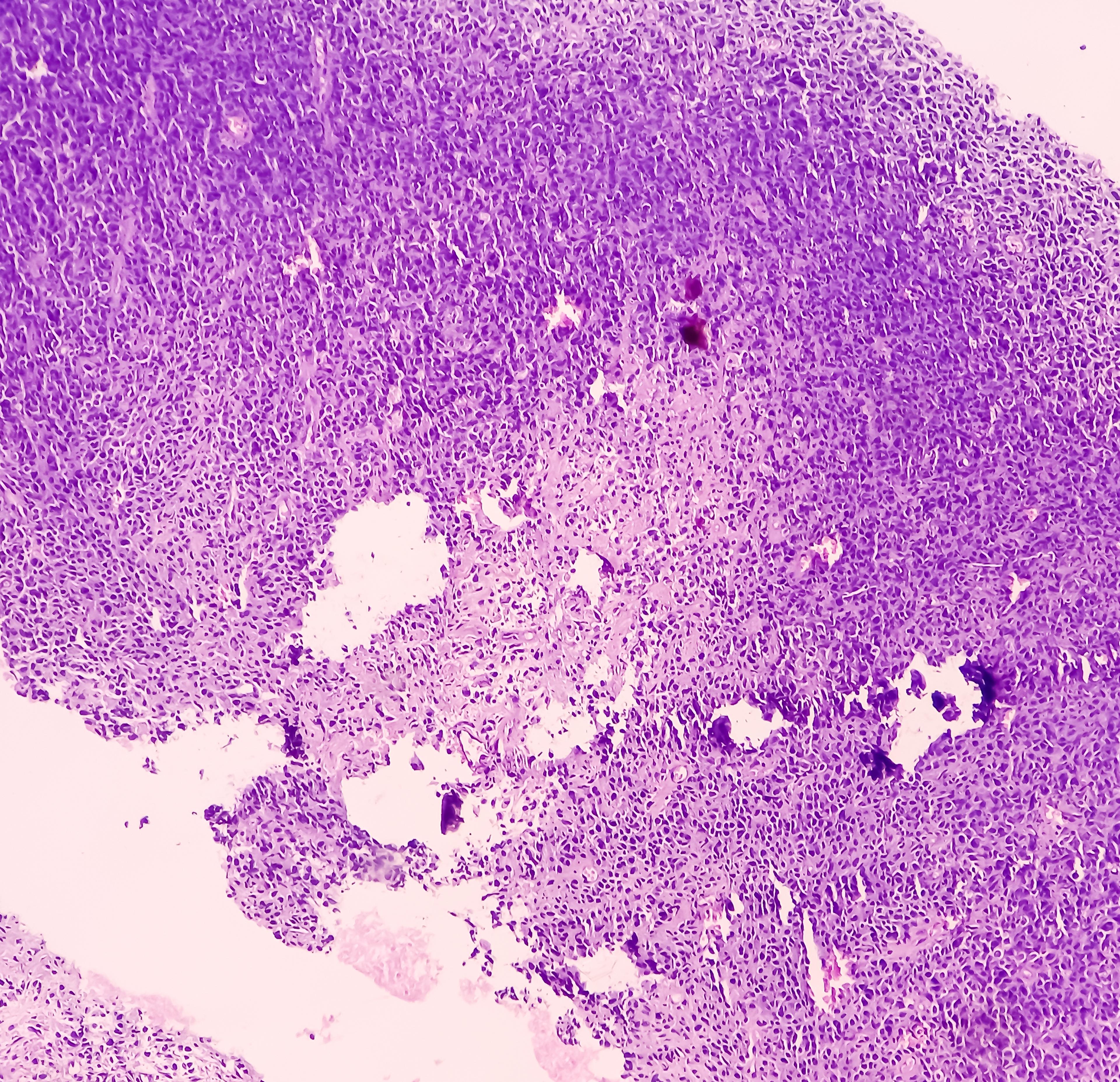
Some individuals may find these symptoms to be similar to many other noncancerous conditions. That’s why imaging tests such as an MRI or CT scan might come into play to evaluate the area. A biopsy is required to confirm a diagnosis.
Treatment for synovial sarcoma depends on factors such as:
- The size and location of the tumor
- Whether it has spread
- A person's overall health profile
Surgery is typically the primary treatment and aims to remove the entire tumor. Radiation therapy may be used before or after surgery to reduce the risk of recurrence. As is typically the case for other forms of cancer, chemotherapy may be recommended for larger tumors, cancers that have spread or certain higher-risk cases.
Researchers continue to study newer treatments – including targeted therapies and immunotherapy –through clinical trials for people with advanced or recurrent disease.
More from MIBD:
Photo credit: Getty Images