When Drowning Isn't Obvious: Warning Signs Every Adult Should Know

Dr. Angela Seabright, D.O.
| 3 min read
Dr. Angela Seabright, D.O., is a board-certified fam...
Key Takeaways
- Drownings happen in everyday settings, including in backyard pools, lakes and hotel pools.
- Warning signs of drowning are not always obvious. In some cases, it can take less than one minute for a person to drown.
- Swimming lessons teach children and adults how to swim correctly and help build their confidence in and around water.
- Even strong swimmers can drown in certain conditions, so making sure someone is always actively supervising activity in and around the water is key.
Each year in the United States there are 4,000 unintentional drowning deaths, and drowning is the leading cause of death for children between the ages of one and four. Drownings happen in everyday settings, including in backyard pools, lakes, hotel pools and even during group swim outings where adults assume someone else is watching.
Most drownings can be prevented. It’s critically important to understand how drowning happens and recognize the warning signs so lives can be saved.
Drowning signs to recognize
Warning signs of drowning are not always obvious. In fact, drowning can occur in less than one minute and a person might make no sound or splash when it happens.
Here are some signs that a person might be in distress in the water:
- A vertical body position, with little movement or no kicking.
- Motion like climbing a ladder
- Head is low in the water with mouth at water level or head is tilted back with mouth open
- Trying to swim but making no progress
- Sudden quietness, when they were previously active
- Glassy or closed eyes, or a blank look on the face
- Gasping or hyperventilating
A person may exhibit these behaviors for less than a minute before going underwater.
Water safety tips
Preventing drowning from occurring starts before anyone gets in the water. The first step is to understand who is at risk and make sure proper supervision is in place.
A common misperception is that those who know how to swim don’t need supervision. However, even strong swimmers can drown in certain conditions.
Another misperception is that drowning only happens when a body is submerged. Drowning can happen in shallow water. And babies and toddlers can drown in as little as 1 to 2 inches of water.
Here are some ways to improve water safety for those at all swim levels:
- Make sure someone is always actively supervising activity in and around the water: That means no distractions, no socializing with others, no phones and no alcohol when the supervisor is on duty. Rotate duty every 20 minutes or so.
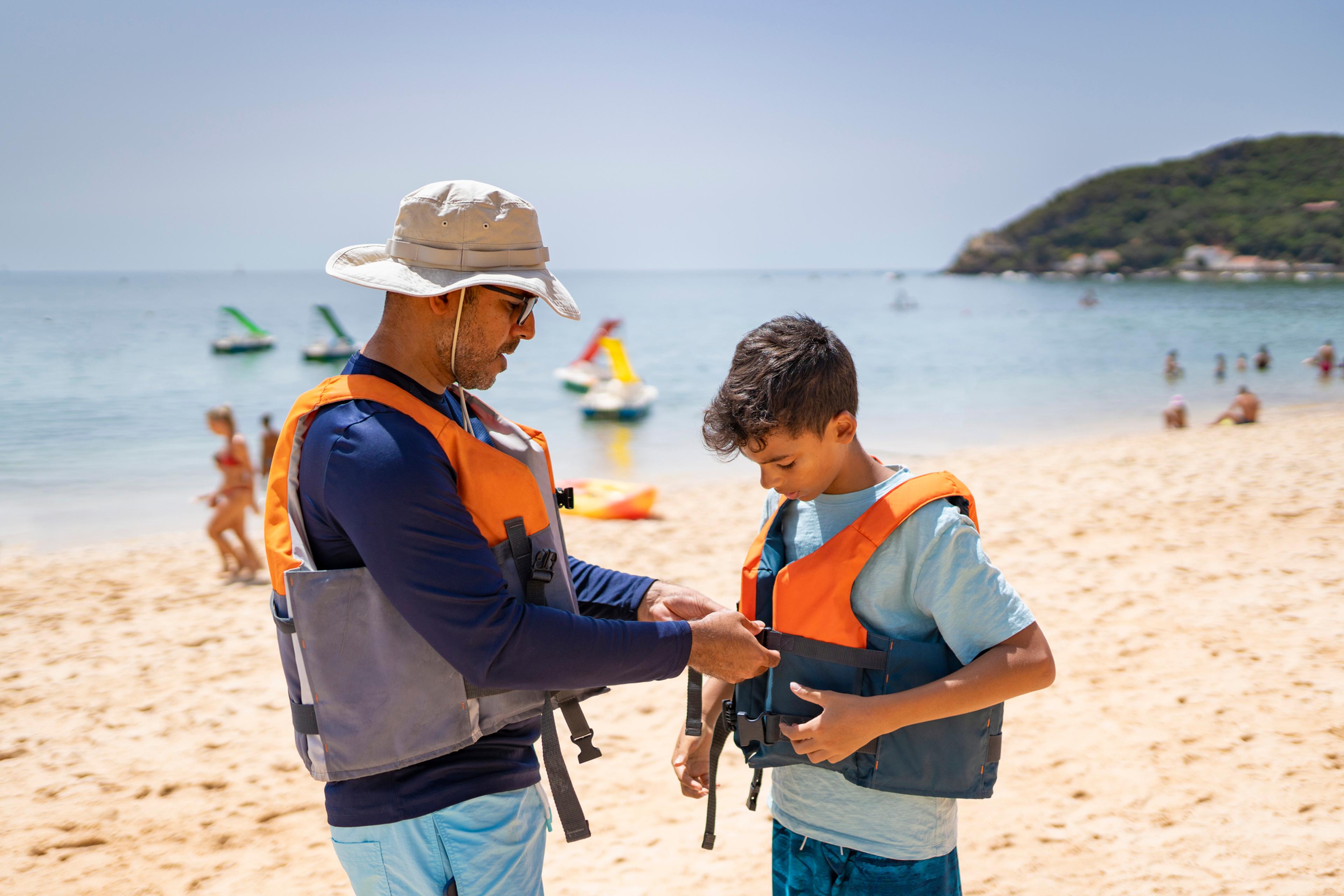
- Use life preservers or life jackets for non-swimmers and for everyone in open water: Pool toys, water wings and floaties are NOT reliable safety devices. They can slip off, and people can easily lose contact with them.
- Learn to swim: Swimming lessons teach children and adults how to swim correctly and help build their confidence in and around water.
- Check for proper barriers and other protections: Whether it’s a friend’s pool, a public pool or a hotel pool, make sure appropriate fencing, gates and alarms are in place before accessing the area.
- Learn rescue skills: Get trained in basic water rescue and CPR, in case of emergency.
Drowning can be fast, quiet and unpredictable. However, drowning can also be prevented by instituting safety habits, being aware of drowning signs and staying vigilant.
Angela Seabright is a care management physician at Blue Cross Blue Shield of Michigan. For more health tips and information, visit bcbsm.mibluedaily.com.
Photo credit: Getty Images