How Watching Too Much TV Affects Your Mental Health

Lindsay Knake
| 4 min read
Lindsay Knake is a brand journalist and project plan...

Key Takeaways
- Binge‑watching disrupts sleep; screen light and mental stimulation are linked to insomnia, higher stress and an increased risk of depression.
- Excessive TV adds to sedentary time, reducing exercise and fostering social isolation, which the CDC says can worsen anxiety, depression and overall mood.
- While watching TV, try to be mindful and pay attention to the show, set a limit on the number of episodes and keep your bedtime.
Watching just one more episode of a favorite show at night may not seem like a big deal. You may lose a little sleep, but it won’t cause any problems, right?
Maybe not. Watching too much TV can have a negative effect on your mental health. Here’s a look at what binge watching TV can do to your mental health and ways you can watch shows you enjoy in moderation.
Disrupts sleep
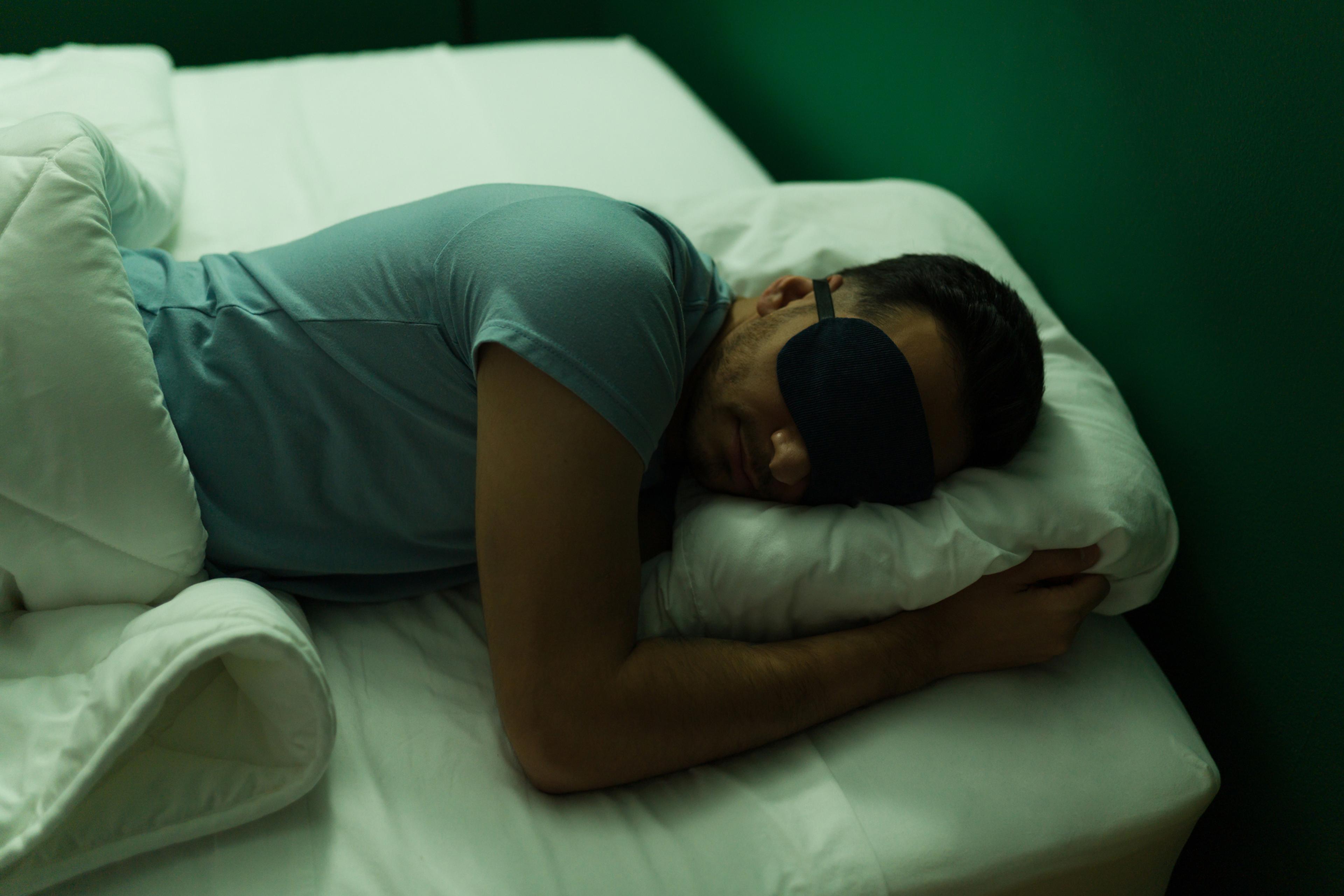
The light from the screen and the mental stimulation from TV can interfere with your sleep. According to a 2022 research review, binge watching TV is associated with insomnia. Not getting enough sleep is linked to higher stress levels, poor mood and depression, according to the Cleveland Clinic.
Getting seven to eight hours of sleep a night is important for overall mental and physical health. The physical effects of a lack of sleep, including a weakened immune system and fatigue, can contribute to a worsened mood.
Lack of physical activity
TV watching usually involves sitting, and three-quarters of Americans don’t get enough aerobic and muscle-strengthening exercise, according to the U.S. Centers for Disease Control and Prevention (CDC). About one quarter of Americans are inactive outside of work.
Not getting enough exercise can contribute to poor mental health; exercise can help ease symptoms of anxiety and depression, improve mood and help with better sleep, per the CDC.
Aim for about 150 minutes of exercise per week, or 30 minutes, five days a week. Try to get in both cardiovascular exercise such as walking or running and muscle-strengthening exercise such as or Pilates.
Social isolation
Watching too much TV can leave you alone and isolated from your family and friends, and social isolation is connected with a higher risk of loneliness and depression, according to the CDC.
Enjoying a show with loved ones or discussing episodes with them afterward can give you something to bond over. But there isn’t a substitute for being with people without a screen to focus on.
Cognitive conditions
Watching TV for four or more hours a day is associated with a greater risk of developing depression, dementia and Parkinson’s disease, according to a 2023 study published in the International Journal of Behavioral Nutrition and Physical Activity. The study looked at health data from more than 473,000 adults age 39 to 72 in the United Kingdom.
Compared to those who watched TV for less than an hour a day, people who watched four or more hours of TV had a 28% higher risk of dementia and 35% greater risk of depression.
The study doesn’t mean excessive TV watching causes these cognitive conditions, but sedentary behaviors can lead to increased risk of many mental and physical health conditions.
How to set limits on TV
Here are some tips on watching TV in a healthier way:
- Watch TV mindfully: Put your phone down and pay attention to the episode. If the show isn’t worth fully paying attention to, it may not be worth your time.
- Take a break between episodes: Between episodes of TV, get up and move around. Give your eyes a break from the screen or take a drink of water. This could disrupt an evening of binge-watching.
- Set a limit on the number of episodes: As much as you might want to keep watching, give yourself a cutoff. You may even reform your desire to keep watching into anticipation for the next time you can watch.
- Watch episodes on a treadmill or stationary bike: Use the time to get in some gentle exercise so you aren’t sedentary.
- Keep to your bedtime: Getting enough sleep is key for mental health, and more important than a TV show.
If you make a mistake and have an occasional TV binge or stay up too late, it’s OK. But if you struggle to stop excessive TV watching or are using TV to avoid responsibilities or manage stress, you may want to talk to your primary care provider or a mental health professional as this could be a sign of anxiety or depression.
Photo credit: Getty Images
Related: