How to Tell if Shortness of Breath is from Anxiety

Jake Newby
| 4 min read
Jake Newby is a brand journalist for Blue Cross Blue...
Key Takeaways
- One of the trickiest parts of shortness of breath is that anxiety and breathing issues can feed off each other.
- Dyspnea – the medical term for shortness of breath – can stem from many causes, including heart and lung conditions.
- Dyspnea can also be influenced by psychological factors like anxiety. Since the condition is both mental and physical, everyone's experience will differ.
- Patterns that may indicate anxiety-related shortness of breath include the issue popping up while you are stressed, it accompanying other symptoms and it improving when you calm down.
Shortness of breath can be a scary feeling. Whether it occurs suddenly or lingers in the background, it can be easy to wonder how much of it is in your head or if it’s a physical issue – possibly related to the heart or lungs – that requires medical care.
Pinpointing the problem isn’t always easy, but let’s discuss possible causes of shortness of breath and how anxiety plays a role.
The two-way relationship between shortness of breath and anxiety
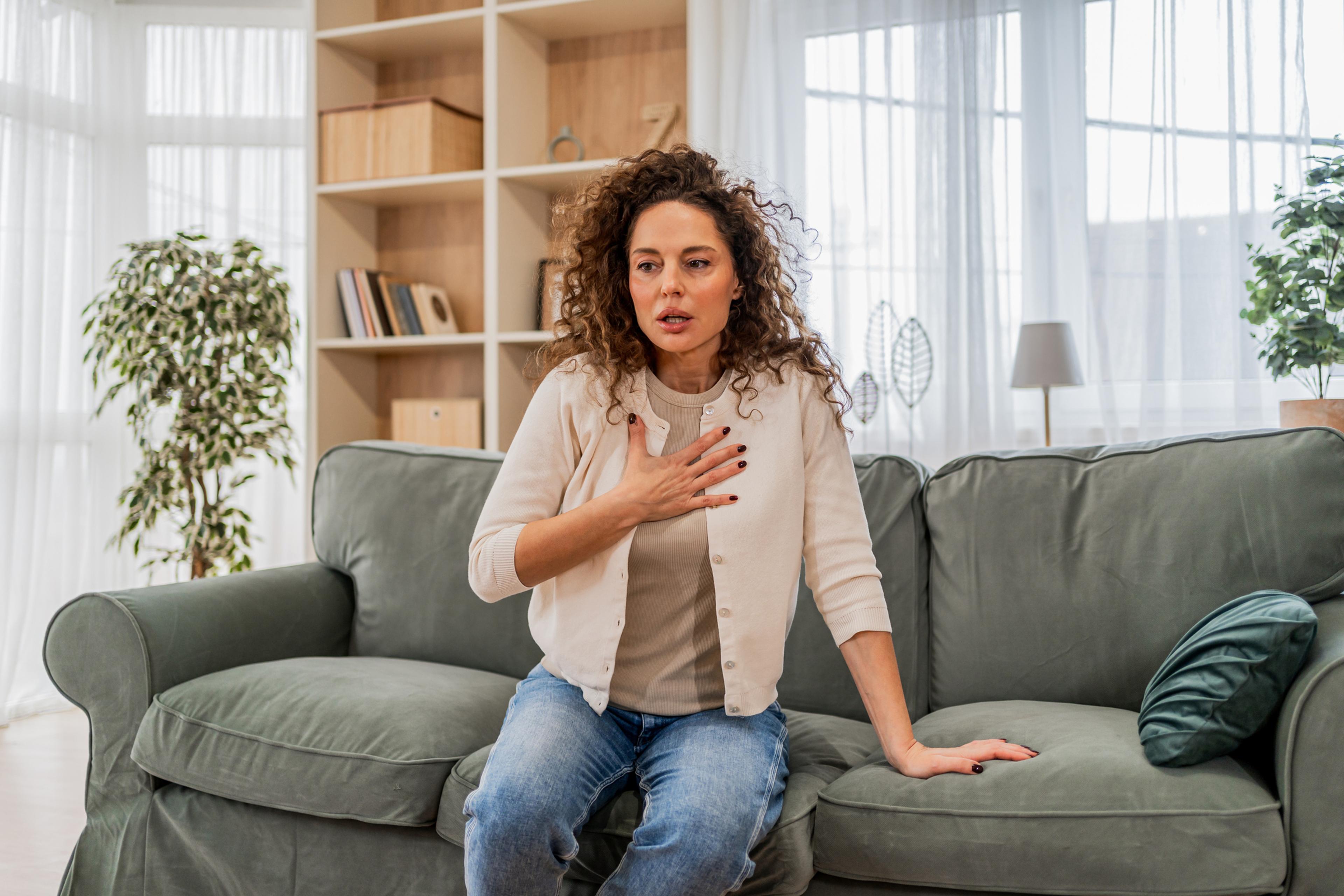
One of the trickiest parts of shortness of breath is that anxiety and breathing issues can feed off each other. Anxiety can trigger rapid, shallow breathing or a feeling of not getting enough air. But the reverse is also true; struggling to breathe can spark anxiety or panic.
This can create a “vicious cycle,” according to the American Lung Association (ALA), in which people with lung conditions, for example, may feel breathless. This may lead to anxiety, which then makes breathing symptoms worse. That loop can escalate quickly if unaddressed.
Even without a diagnosed lung condition, the body’s “fight or flight” stress response can make breathing feel tight or uncomfortable.
What is dyspnea?
Dyspnea is the medical term for shortness of breath. It’s not a disease itself, but a subjective symptom, according to the National Library of Medicine, which describes the condition as “air hunger,” chest tightness or the feeling that breathing takes more effort than usual.
Dyspnea can stem from many causes, including heart and lung conditions. But it can also be influenced by psychological factors like anxiety, as well as environmental and physical ones. Since the condition is both mental and physical, everyone’s experience with dyspnea will likely differ, even if the underlying cause is the same.
What is the difference between shortness of breath and difficulty breathing?
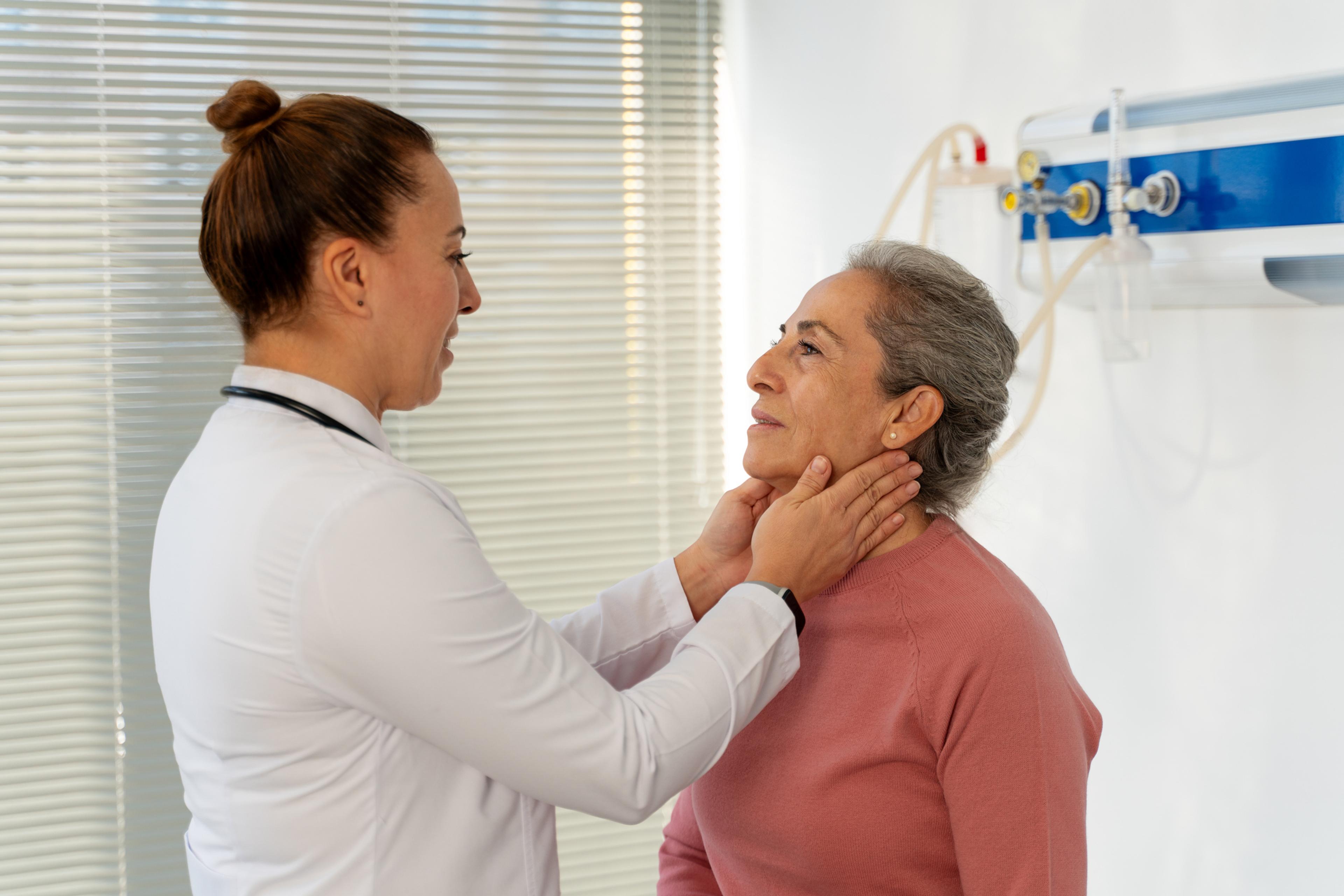
These terms are often used interchangeably, but there’s a subtle distinction between difficulty breathing and dyspnea, which typically refers to the feeling that you aren’t getting enough air. Difficulty breathing can be more objective, like visibly struggling to inhale or exhale, breathing rapidly and using extra muscles in your chest or neck.
In anxiety, the sensation of breathlessness is often more prominent than any measurable breathing problem. Conversely, physical conditions like asthma or heart disease may involve both the feeling and observable breathing difficulty.
How to tell if anxiety is causing shortness of breath
Here are a few patterns that can point toward anxiety-related shortness of breath:
- It appears while you are stressed: Episodes often come on during or after a tense moment.
- It comes accompanied by other anxiety symptoms, such as racing heart, sweating, dizziness or a sense of panic.
- It improves when you calm down: If you slow your breathing or remove the stressor, you may notice the sensation subside.
- It’s inconsistent: You may feel fine during physical activity but short of breath at rest — a common anxiety clue.
Since anxiety symptoms can overlap with conditions like asthma, pulmonary embolism or other cardiac issues, serious respiratory or cardiovascular diseases must first be ruled out by your primary care provider or another medical professional through a physical exam and appropriate tests.
Diagnosis and treatment for shortness of breath
Dyspnea evaluation usually starts with a detailed history and physical exam, as well as tests like imaging, bloodwork or heart monitoring.
Treatment depends on the root cause of the problem. If anxiety is driving symptoms, therapy, stress management and, in some cases, medication, may be options. If a physical condition is involved, treating that issue is key to improving symptoms.
Breathing exercises – like slow, controlled inhaling and exhaling – can also help interrupt the anxiety-breathing cycle, per the ALA.
When to get help
It’s important not to ignore the warning signs of anxiety if you suspect it. Seek medical care right away if shortness of breath is severe and leads to these symptoms, as outlined by the Mayo Clinic:
- Shortness of breath with chest pain, fainting, upset stomach, bluish lips or nails or a change in mental alertness.
- New shortness of breath that starts after not being active for a long time. This may happen, for example, after surgery, illness or injury, or from being in a leg cast.
- New shortness of breath after a long plane or car ride.
Photo credit: Getty Images
More from MI Blue Daily: