Why Do I Sweat So Much?

Jazmin Anderson
| 3 min read
Jazmin Anderson is a 2026 Corporate Communications i...
Key Takeaways
- Sweat is a normal response to heat, exercise and stress, but genetics and certain health conditions can increase how much you perspire.
- Persistent sweating in cool environments may signal hyperhidrosis, a condition that can be primary (nerve‑driven) or secondary (medication or illness related).
- Manage sweat by staying hydrated, wearing breathable fabrics, using antiperspirant and consulting a primary care provider if it disrupts daily life.
During the higher temperatures of summer, it’s normal to sweat more than usual.
The body produces sweat to regulate its temperature and hydrate the skin.
Most people sweat about 1 to 1.5 liters per hour during exercise, but this can vary widely depending on several environmental and physiological factors, according to Washington University. Some people may deal with excessive sweating. Here are some things to know if you’re constantly mopping your brow.
Causes of sweating
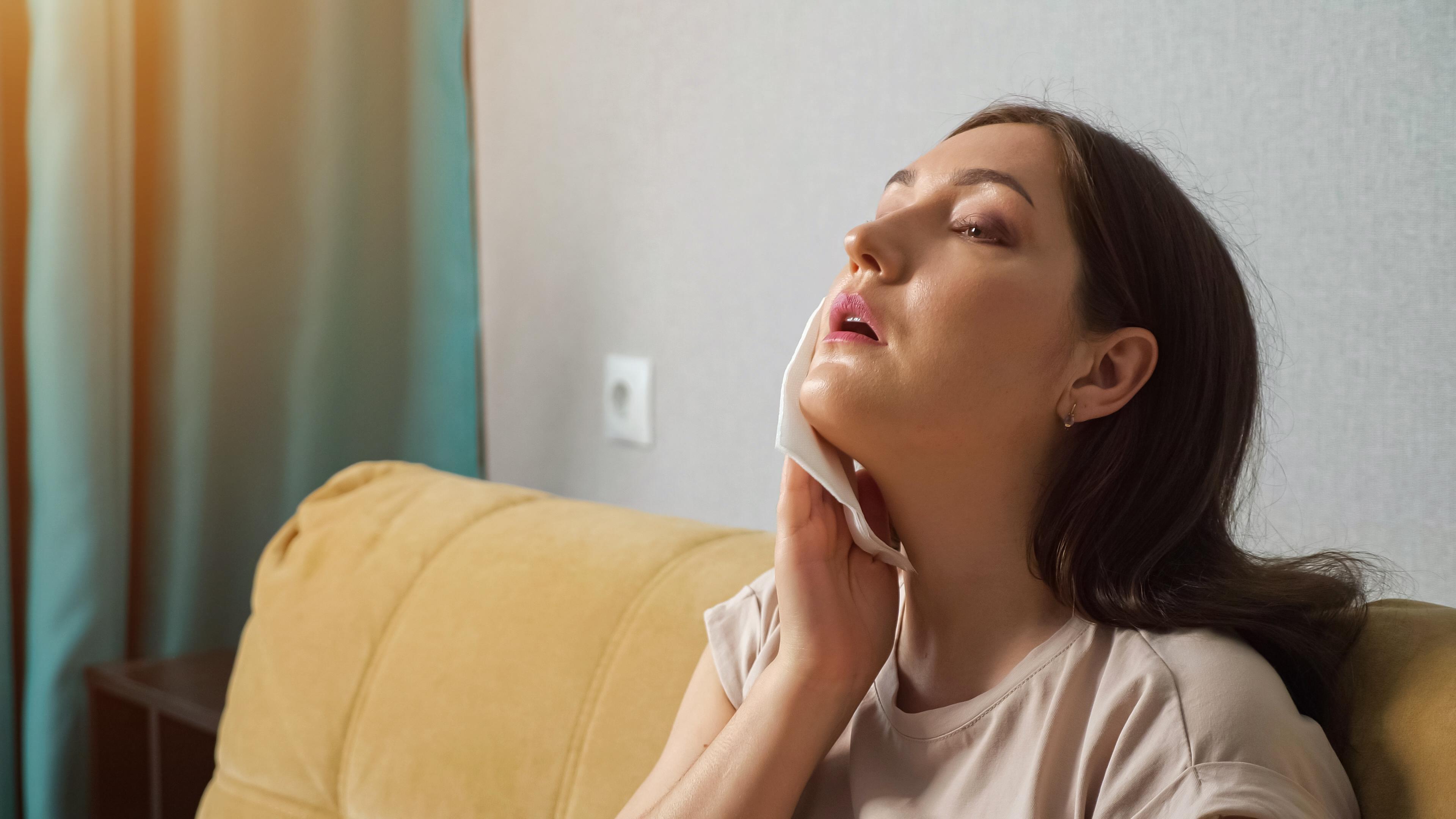
Physical activity, heat and stress are all natural triggers of sweating. Exercise and hot weather both raise body temperature, leading to increased sweat production. Meanwhile, stress or nervousness can cause clammy hands and soles, as well as perspiration on the face.
Certain factors can influence the amount of sweat a person’s body produces. Some of them are related to external factors, such as your environment and your lifestyle. These are easier to control. If you live in a hot, humid climate, you can reduce sweating by keeping your home cool. If you want to exercise on a hot day but avoid excessive sweating, wearing light, breathable clothing and practicing low-impact exercises can help. Be sure to drink plenty of water while exercising to replenish the fluid your body loses.
Other factors like genetics and health conditions can be harder to control. Genetics plays a key role in how much sweat your body naturally produces, per Washington University. Health conditions, such as a fever or hormonal changes during menopause, can also temporarily cause increased sweating.
Hyperhidrosis
If you sweat even in cold environments, or if the sweat you produce with minimal physical exertion soaks through your clothing and interferes with your daily activities, you might have hyperhidrosis. Hyperhidrosis is a medical condition causing your body to produce excessive amounts of sweat even when it doesn’t need cooling.
There are two types of hyperhidrosis:
- Primary hyperhidrosis is believed to be caused by overactivity in the nerves meant to trigger sweat glands. It typically affects specific areas of the body, such as the palms, soles, underarms and face.
- Secondary hyperhidrosis is usually caused by certain medications or underlying health issues such as thyroid problems or diabetes. This type affects larger areas of the body.
Treatment options for excessive sweating
Be sure to consult your primary care provider if sweating severely affects your quality of life. Your primary care provider can evaluate your symptoms and recommend treatment options.
To manage everyday sweating, you can use an antiperspirant, wear breathable fabrics and maintain good hygiene.
Proper hydration
According to the Mayo Clinic, water takes up 50% to 70% of your body’s weight. Water helps regulate your body temperature, protects your joints and removes waste. Every part of your body requires water to function properly, which is why you should pay close attention to replenishing the water you lose through sweating due to the heat.
The amount of water you need in the summer depends on your age and sex. The Mayo Clinic recommends 15.5 cups for men and 11.5 cups for women, although you may need more if you sweat a lot or are exercising. John Hopkins Medicine recommends children under 8 drink as many 8-ounce glasses of water as their age. Kids age 8 and older should drink eight cups of water per day.
Photo credit Getty Images