Why Blood Pressure Can Rise in Cold Weather

Jazmin Anderson
| 3 min read
Jazmin Anderson is a 2026 Corporate Communications i...
Key Takeaways
- Cold weather can cause blood vessels to narrow, increasing blood pressure as the heart works harder to circulate blood throughout the body.
- Winter lifestyle changes, including reduced physical activity, seasonal weight gain and higher sodium intake, can contribute to elevated blood pressure.
- Managing blood pressure during colder months includes maintaining a healthy diet, staying physically active, monitoring blood pressure regularly and seeking medical care for unusually high readings or warning signs of a heart attack.
Nearly half of U.S. adults have hypertension, or high blood pressure, according to the American Medical Association (AMA).
The winter season may exacerbate weather-related physiological reactions and lifestyle changes, which can make treating this condition more difficult.
Here are some possible causes of higher blood pressure in the winter and how to manage them.
What causes higher blood pressure in the winter
Blood pressure tends to be higher in the winter because the blood vessels in your body temporarily narrow to hold onto heat. As a result, more pressure is needed for blood to flow through your veins, which causes blood pressure to rise, according to the Mayo Clinic.
Other weather factors, such as humidity, atmospheric pressure, cloud cover or wind, can also influence your blood pressure. This type of weather-related sensitivity tied to blood pressure is more common among those over 65.
In the wintertime, you might also move less and eat more. The seasonal weight gain resulting from this can raise blood pressure.
Increased salt consumption during this season can also affect blood pressure.
How to regulate your blood pressure in the winter
During the winter months, pay attention to your sodium intake and diet. Eat filling and nutritious meals to avoid overeating. Complex carbohydrates like oats, quinoa and whole-grain bread can serve as long-lasting fuel.
Keep exercising as a regular part of your routine. If you don’t feel like leaving your house, you can do some low-impact at-home exercises such as yoga.
If you choose to exercise outdoors, the American Heart Association (AHA) recommends keeping warm by wearing multiple layers of clothing and head and ear protection to avoid hypothermia. You should also take frequent breaks and pay attention to how your body feels during them to avoid overworking your heart.
If you have a heart condition or are at risk of having one, ask for help with snow shoveling and other outdoor work. If you must shovel outdoors, be sure to take the precautions mentioned above.
When to be concerned
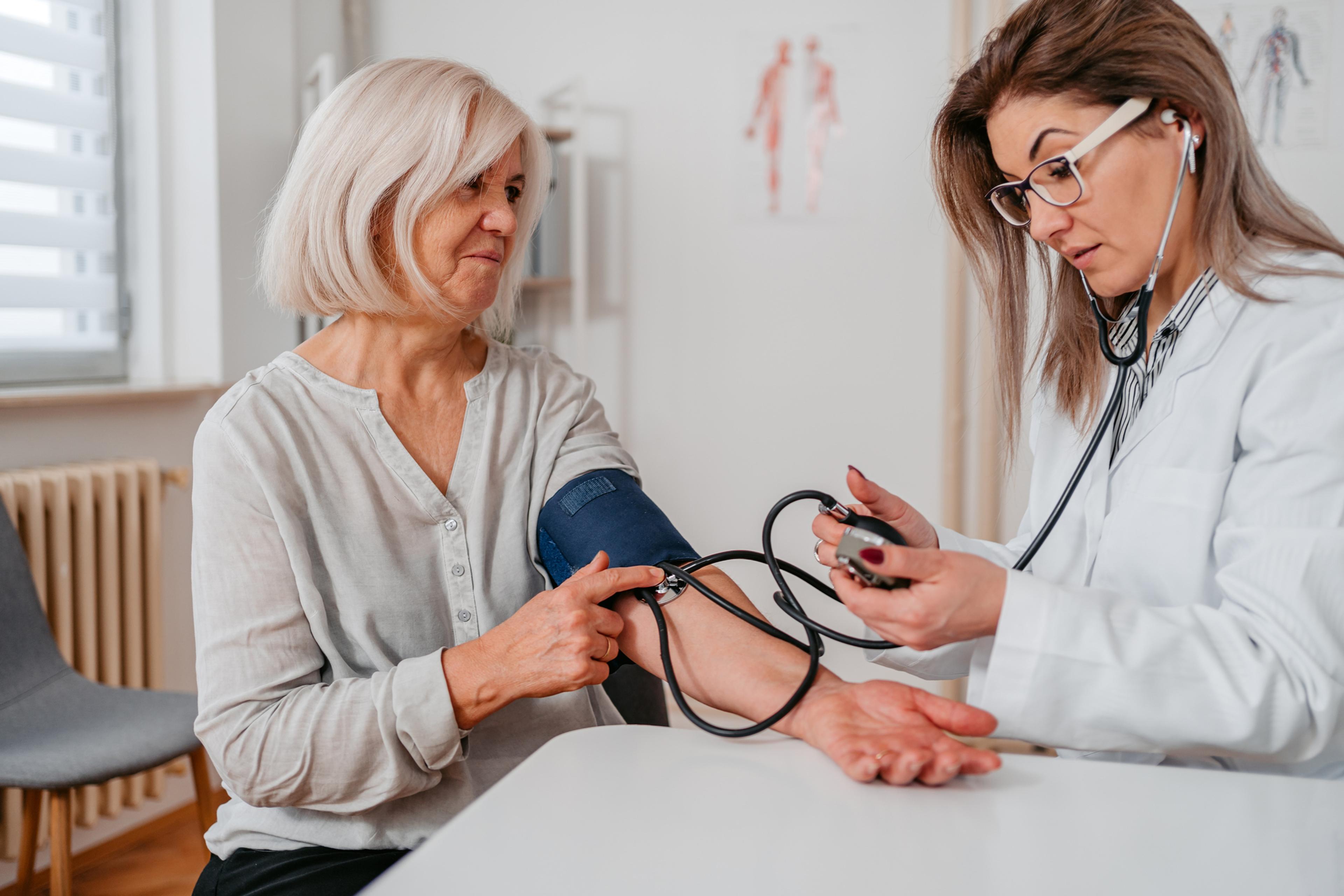
High blood pressure can often go unnoticed due to a lack of symptoms, which is why you should regularly check your blood pressure. The AMA recommends using oscillometric blood pressure devices for at-home monitoring.
If you notice your blood pressure is significantly higher than usual, talk to your primary care provider.
If your blood pressure is higher than 180/120, seek medical attention immediately.
Be aware of the signs of a heart attack while doing physical activities:
- Chest pain, pressure or discomfort during physical activities.
- Persistent chest pain.
- Pain that goes away when you stop moving, then returns when you start again.
- Pain in the arms, neck, back, jaw or stomach.
- Shortness of breath or difficulty breathing.
- Women often feel fatigue or weakness, a cold sweat, lightheadedness or nausea.
If you experience any of these symptoms, stop all physical activity and call 911.
Photo credit: Getty Images