What to Know About the AHA’s New High Blood Pressure Guidelines

Lindsay Knake
| 3 min read
Lindsay Knake is a brand journalist and project plan...
Key Takeaways
- Hypertension is a blood pressure of 130/80 mm Hg, and the American Heart Association recommends lifestyle changes for anyone above that level, with medication added after three to six months if pressure remains high.
- For stage 2 hypertension (140/90 mm Hg or higher), the AHA advises a single‑pill combo of two first‑line drugs to improve adherence and lower blood pressure more quickly.
- Regular monitoring — including office visits and validated home cuffs — is essential, as most people with high blood pressure are unaware of it and fewer than one‑quarter have it under control.
Nearly half of American adults have high blood pressure, according to the American Heart Association (AHA).
High blood pressure is the No. 1 preventable risk factor for heart disease, kidney disease, cognitive decline and dementia. Heart disease is the leading cause of death in the United States.
The AHA issued new guidelines for high blood pressure, which include earlier intervention. Here is what to know about the new guidelines.
AHA high blood pressure guidelines
Hypertension is defined as a blood pressure higher than 130 mm Hg systolic and 80 mm Hg diastolic. The AHA’s new blood pressure criteria remain the same:
- Normal blood pressure is less than 120/80 mm HG
- Elevated blood pressure is 120 to 129 mm HG and less than 80 mm Hg
- Stage 1 hypertension is 130 to 139 mm HG or 80 to 89 mm Hg
- Stage 2 hypertension is 140 mm Hg to less than 90 mm Hg
The changes to the AHA guidelines are related to the treatment, including medication and lifestyle habits. As high blood pressure is a modifiable risk factor for many chronic conditions, the AHA recommends all adults with high blood pressure adapt lifestyle changes, including:
- Maintaining or achieving a healthy weight
- Adopting a heart healthy diet, such as the DASH diet
- Reducing sodium intake
- Increasing potassium intake
- Reducing or eliminating alcohol intake
- Exercising moderately
- Managing stress
Adults who have blood pressure of more than 130/80 mm Hg, the AHA recommends lifestyle intervention and medication after three to six months if average blood pressure has not come down.
In adults with average blood pressure of more than 140/90 mm HG and for those who have normal blood pressure but have heart disease, are at higher risk of heart disease, Type 2 diabetes or chronic kidney disease, the AHA recommends medication therapy. This is earlier
In adults with stage 2 hypertension, the AHA recommends medication with two first-line drugs in a single pill rather than two separate pills to aid with medication adherence and to reduce blood pressure.
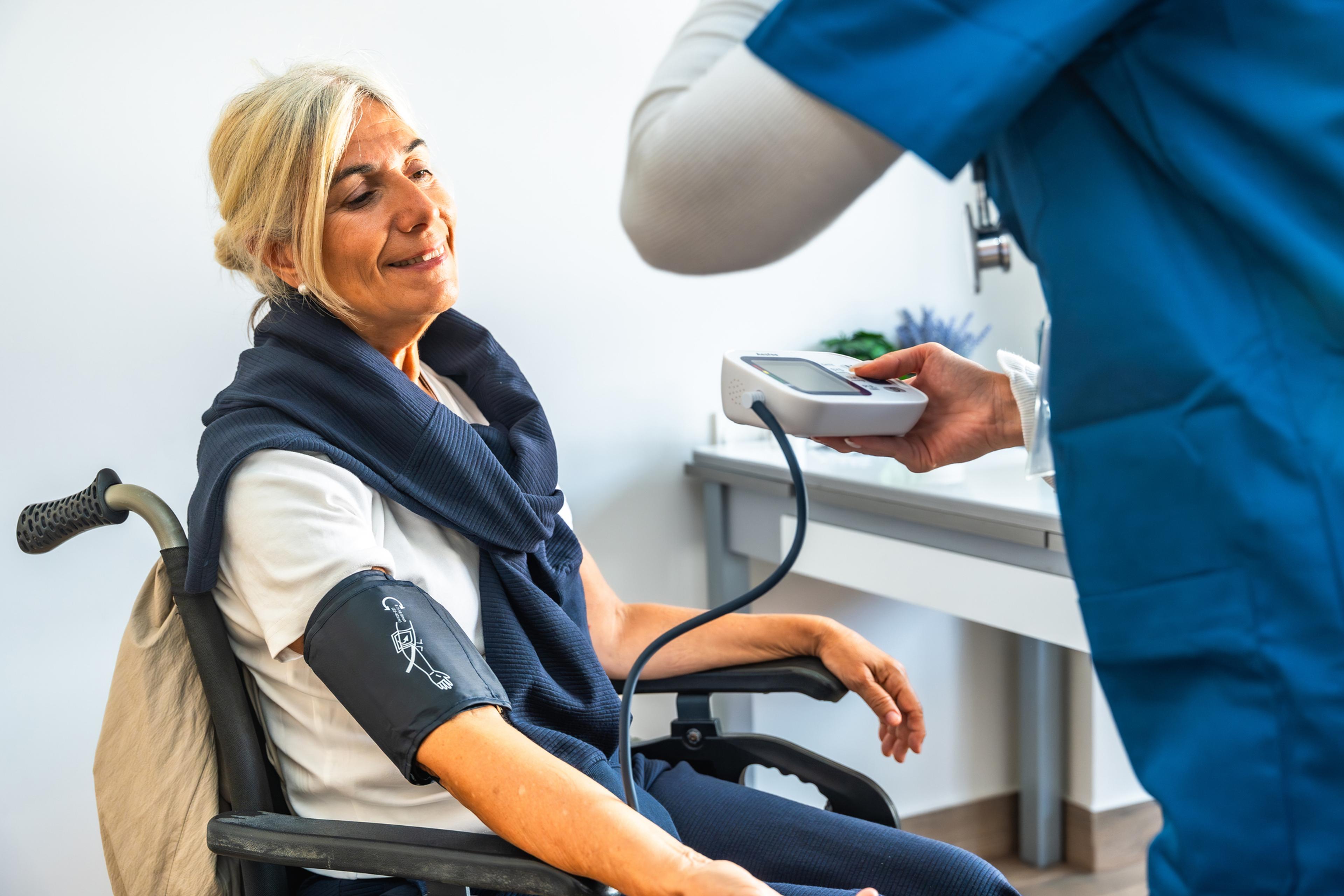
Those with hypertension should work regularly with their health care providers and use standardized tools and protocols, including home monitoring devices. Tools such as cuffless devices and smartwatches to monitor blood pressure are not yet accurate and reliable enough to count on for health outcomes, according to the AHA.
Health risks of high blood pressure
Fewer than 25% of Americans with hypertension have it under control. High blood pressure puts more strain on the arteries, which can damage the lining of the arteries. In time, fat from your diet can start to collect on the damaged areas and become less elastic, which can lead to heart attacks or strokes.
This stress in the arteries can also cause part of the artery wall to bulge, also known as an aneurysm. The internal bleeding from an aneurysm break can be life-threatening.
Preventive care is key to diagnosing and treating hypertension. This can improve quality of life and reduce medical costs. The AHA estimates heart disease in the U.S. will cost $1.1 trillion by 2035.
Because high blood pressure does not have symptoms for most people, according to the AHA, annual physicals are key. Age, Type 2 diabetes and family history are among the biggest risk factors for hypertension.
If you are at a higher risk of or have a family history of hypertension, talk to your primary care provider.
Image: Getty Images
Related: