Lipedema vs Lymphedema: What’s the Difference?

Lindsay Knake
| 3 min read
Lindsay Knake is a brand journalist and project plan...
Key Takeaways
- Lipedema is a chronic buildup of fat tissue, primarily in the legs, while lymphedema is swelling caused by a buildup of lymph fluid due to problems in the lymphatic system.
- Lipedema typically causes symmetrical fat buildup, easy bruising and pain that does not improve with diet or exercise. Lymphedema most often causes swelling in the arms or legs, changes in skin texture and feelings of tightness from fluid accumulation.
- While neither condition has a cure, treatments such as compression therapy, exercise and specialized massage can help control symptoms, improve mobility and reduce complications.
Lipedema andlymphedema…these two health conditions have such similar names it can be confusing to know which is which.
The two conditions affect different parts of the body – one of the lymphatic system and the other adipose tissue – but it is possible for a person to have both. Learn more about these lipedema and lymphedema and how to recognize the symptoms.
What is lipedema?
Lipedema is a buildup of adipose tissue, or fat, primarily in the legs and less often in the lower abdomen and arms. This chronic condition can cause tenderness, pain and swelling, along with knots of fat that feel harder, according to the Lipedema Foundation. Pain may be intermittent with lipedema, and some people with lipedema may have none while others experience severe pain. Lipedema is almost exclusively seen in women.
This condition is also different from obesity, although they may appear similar. Common symptoms of lipedema include:
- Symmetrical buildup of dimpled, uneven fat in the legs that doesn’t change with diet, exercise, diuretics and weight-loss surgery
- The fat typically doesn’t appear in the feet or hands
- Fatigue
- Easy bruising
- Edema, or swelling
The causes of lipedema aren’t well understood, and research is ongoing to learn more about this condition. Lipedema can begin or worsen during puberty, pregnancy and menopause. This chronic condition can impede mobility and make daily tasks difficult, according to Harvard Health.
If you notice symptoms of lipedema, talk to your primary care provider (PCP). Your PCP may also recommend mental health support as lipedema can lead to worsened body image and self-esteem.
Lipedema doesn’t have a cure, per Harvard Health, but common treatments include:
- Compression socks
- Lymphatic massage
- Medications to reduce inflammation
- Exercise, particularly swimming
What is lymphedema?
Lymphedema is a progressive disorder of the lymphatic system, which runs throughout your body and is an essential part of your immune system. This system removes damaged cells, bacteria and viruses from your blood through lymph fluid and into lymph nodes, which then clean the lymph fluid and return it to the bloodstream.
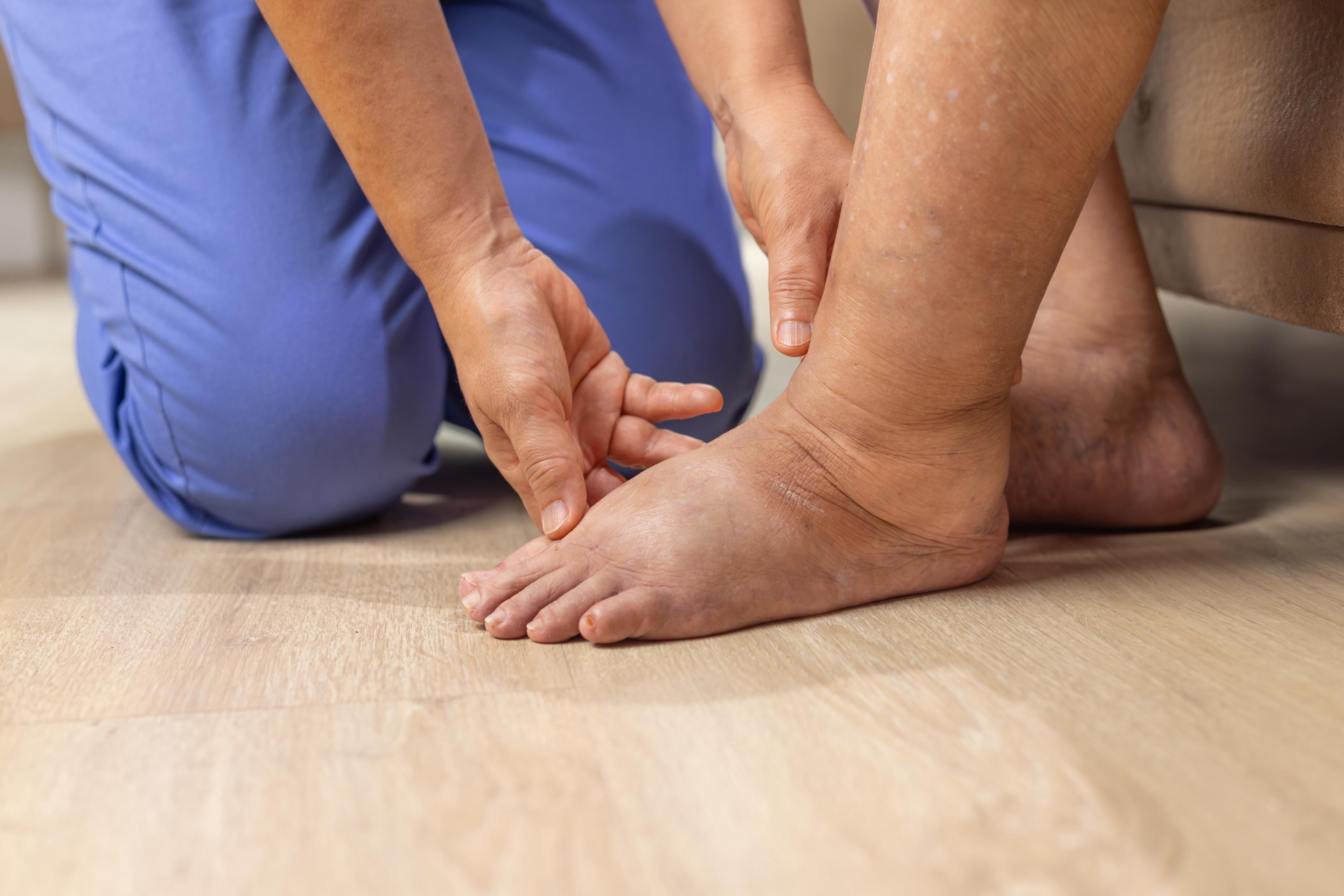
When the lymph fluid builds up and cannot drain, this is lymphedema, according to the U.S. Centers for Disease Control and Prevention. The swelling is typically in the arms or legs, but it can happen throughout the body. Swelling from lymphedema can develop quickly or slowly, and the latter may be more difficult to notice. You may notice clothing or jewelry fits more tightly, the skin feels tingly or the skin looks leathery.
Lymphedema is most commonly caused by cancer or cancer treatments, such as a tumor that blocks the lymphatic system, surgery to remove lymph nodes or radiation treatments that damages lymph vessels. Hereditary conditions can also cause lymphedema, according to the Cleveland Clinic Journal of Medicine. This condition can be underdiagnosed, and a delay in diagnosis can lead to infection or loss of function and movement.
If you have symptoms of lymphedema, talk to your PCP or oncology team.
Treatment for lymphedema includes:
- Elevating the affected area
- Exercise and movement
- Compression socks or sleeves
- Massage
- Manual lymph drainage
- Surgery
Skin hygiene is important with lymphedema to prevent secondary infections such as cellulitis.
Photo credit: Getty Images