How to Prepare for Allergy Season

Blue Daily
| 3 min read
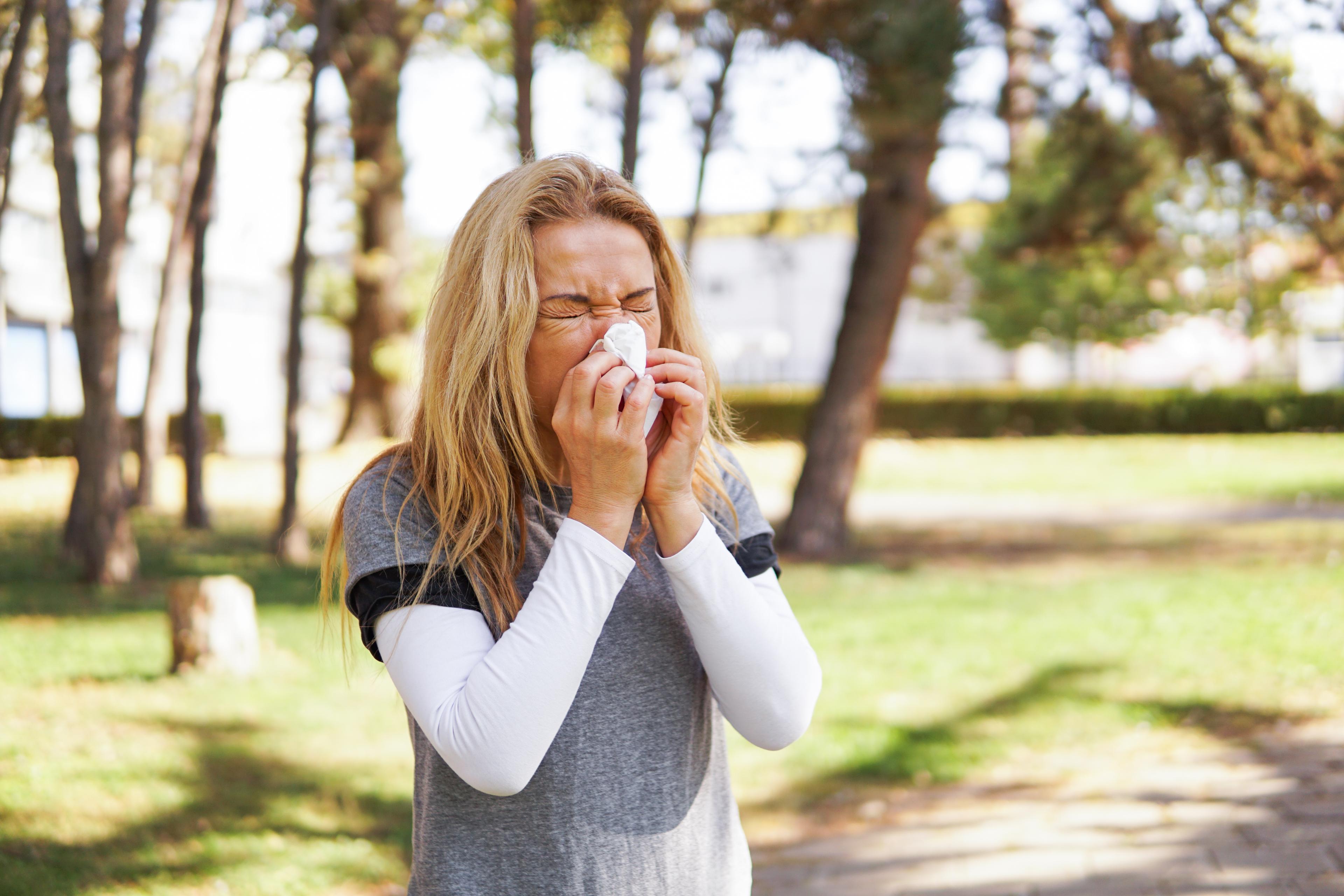
Springtime is lovely, but with it comes allergens and triggers for seasonal allergies. Increased pollen counts, rainfall and wind patterns all contribute to “allergy season.”
To prevent allergy season getting the better of you, it’s important to understand the allergens that trigger seasonal allergic symptoms such as sneezing, runny nose, congestion, headaches, irritated eyes and other common symptoms. Learn how to better prepare yourself for allergy season, how to avoid common allergy triggers, and how to keep your home safer from allergens.
Learn your allergens and local pollens
Most commonly, seasonal allergies cause hay fever and allergic rhinitis, according to the Mayo Clinic. It is important to know what your allergic triggers are and what you are allergic to.
During spring in Michigan the most common allergens include:
- evergreen, maple, ash and birch trees
- grass clippings and grass pollen
- ragweed
Be aware of weather, pollen count and air quality
There are tools online to find your local air quality and pollen counts, and many weather apps report on these daily. On especially high-allergen days, or days with low air quality, limiting your exposure to the air outside can help to avoid an allergic reaction, although this isn’t always possible.
Keep your home and indoor spaces clean and allergen-free
It's also important to keep your living spaces allergen-free and clean to avoid making your allergies worse. Allergens can enter the home through open windows, on clothing and shoes after being outside and on pets who go outside.
You may also want to check to see any house plants you have aren’t producing allergens and that you aren’t allergic to pets or pet dander if you have them. If you are allergic to grass pollen, wearing a mask outside when mowing or doing lawn work can help relieve your exposure.
According to the American College of Asthma, Allergy and Immunology, here are more ways you can prepare your home to avoid or reduce springtime allergens:
- filter your air and use air conditioning rather than open windows
- avoid drying laundry outside
- change your clothes after spending time outside
- shower before bed
- change your sheets and pillowcases often
- dust and vacuum or sweep regularly
- use hypoallergenic laundry detergents and softeners
- stop smoking or vaping
Find the right seasonal allergy treatment
Avoiding every allergen is not possible and can be especially difficult in the spring or any allergy season. There are many common over the counter (OTC) treatments for seasonal allergies, including:
- antihistamines
- decongestants
- nasal sprays
- antihistamine eye drops
These are often quite effective for seasonal allergies and can help relieve symptoms. If your symptoms don't respond to OTC remedies or worsen, check with your primary care provider (PCP) to see if you need more than OTC medications. In this situation, your PCP may refer you to an allergy specialist.
Photo credit: Getty Images
Related: