How Common is Hand, Foot and Mouth Disease in Adults?

Jake Newby
| 3 min read
Jake Newby is a brand journalist for Blue Cross Blue...
Key Takeaways
- Many adults affected by Hand, Foot and Mouth Disease (HFMD) become infected by spending time around young kids.
- The mild, yet highly contagious disease spreads easily in close-contact settings and can be transmitted through contact with fluid from blisters or saliva and droplets from coughs or sneezes.
- HFMD is usually characterized by fly-like symptoms for a couple of days, followed by more severe symptoms, such as an itchy rash and painful mouth sores.
- Most people get better on their own in seven to 10 days with minimal or no medical treatment.
We usually associate Hand, Foot and Mouth Disease (HFMD) with toddlers and outbreaks in daycare or preschool, but grown adults can get it too.
Since the disease has a reputation for only affecting kids, adults who come down with it might be surprised and sometimes even a little embarrassed. But HFMD in adults is far more common than people realize.
What is hand, foot and mouth disease?
HFMD is caused by a group of viruses, most commonly coxsackievirus 16, according to the Mayo Clinic. While children under five carry the highest risk, adults are not immune. Many adults affected by HFMD – especially parents, teachers, childcare workers and health care professionals – become infected by spending time around young kids.
Adults often contract HFMD unknowingly. The mild, yet highly contagious disease spreads easily in close-contact settings and can be transmitted through:
- Contact with stool
- Direct contact with fluid from blisters or saliva
- Droplets and particles made by sneezing, coughing or talking
- Touching contaminated surfaces such as phones, toys and doorknobs
Hand, foot and mouth disease stages and symptoms in adults
So, why does HFMD feel rare in adults? One reason is that adult cases are often underreported in adults, according to the Centers for Disease Control and Prevention (CDC).
Adults may appear asymptomatic when first contracting the disease. Others may assume they have the flu due to symptoms like fever, sore throat, runny nose and stomachache.
The Cleveland Clinic states that after a couple of days, classic flu-like symptoms usually subside before new symptoms develop. These can include:
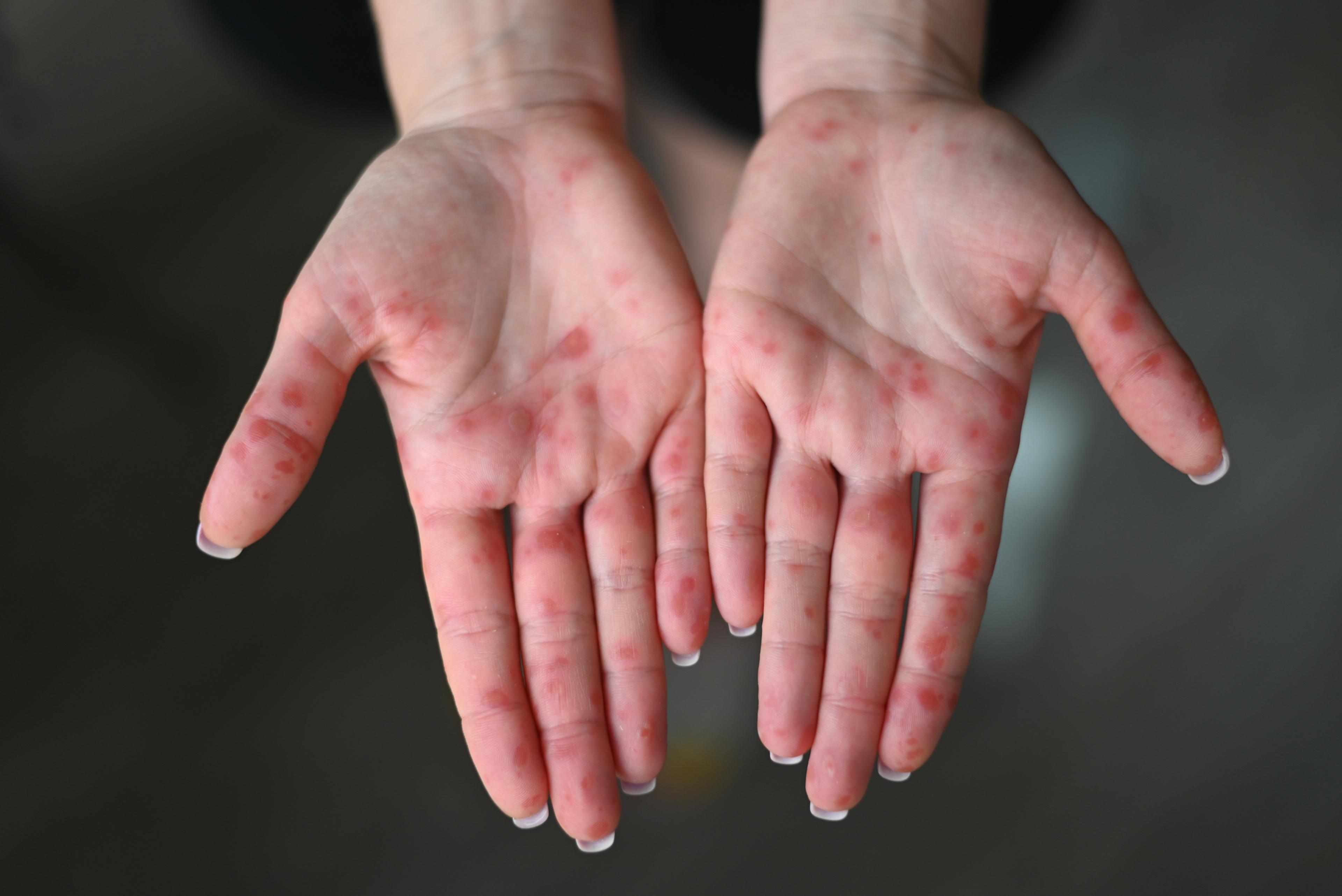
- An itchy rash on the palms of the hands, soles of the feet, elbows, knees, genitals or buttocks
- Painful mouth sores, which can even develop on the tongue
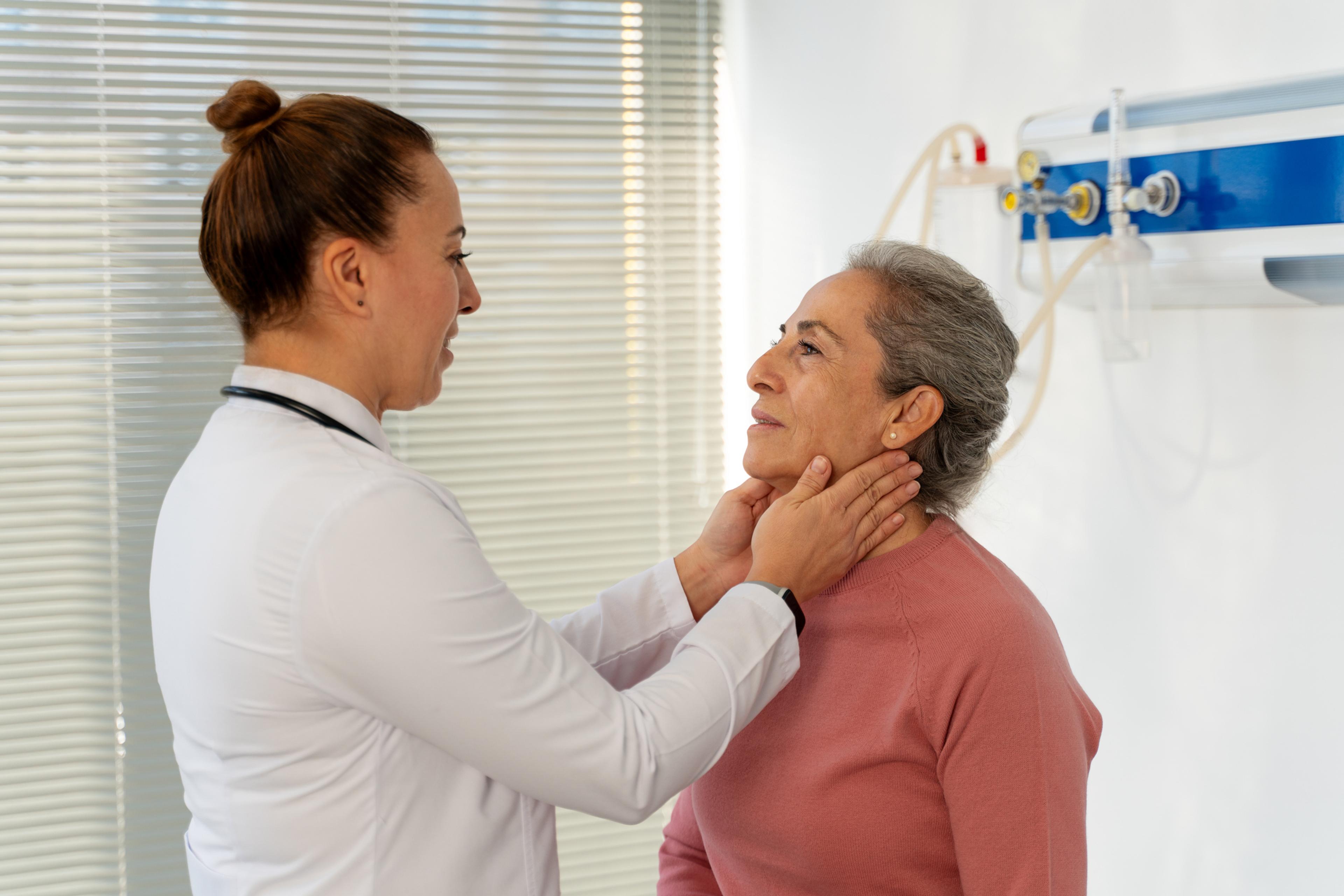
- Swollen lymph nodes in the neck, which could lead to difficulty swallowing.
Some adults may also experience intense fatigue, painful blisters and body aches. In recent years, certain strains of the virus have been linked to more severe symptoms in adults, including widespread rashes and longer recovery times, according to recent studies.
Since multiple viruses can cause HFMD, it’s possible – though rare – to contract it more than once, meaning you can get it as an adult even if you had it as a child, particularly if you are exposed to a different viral strain. Account for busy lifestyles, stress and weakened immune systems and you start to see how adults can become more susceptible to HMFD than we might expect.
Hand, foot and mouth disease prevention and treatment
Most people get better on their own in seven to 10 days with minimal or no medical treatment, per the CDC. You can take steps to manage symptoms while you are sick, by drinking plenty of water to stay hydrated and managing pain and/or fever symptoms caused by mouth sores by taking over-the-counter medications as you and your primary care provider (PCP) see fit.
Washing your hands well and often is the best way to prevent HFMD from spreading. Remember to wash with soap and water for at least 20 seconds, especially after:
- Coughing, sneezing, or blowing your nose
- Changing diapers
- Using the toilet
The CDC also recommends cleaning and disinfecting frequently touched surfaces, avoiding touching your face with unwashed hands and avoiding close contact with someone you know has been infected.
Read on:
Photo credit: Getty Images