Stress can be difficult to deal with, and it can do more than interrupt our day.
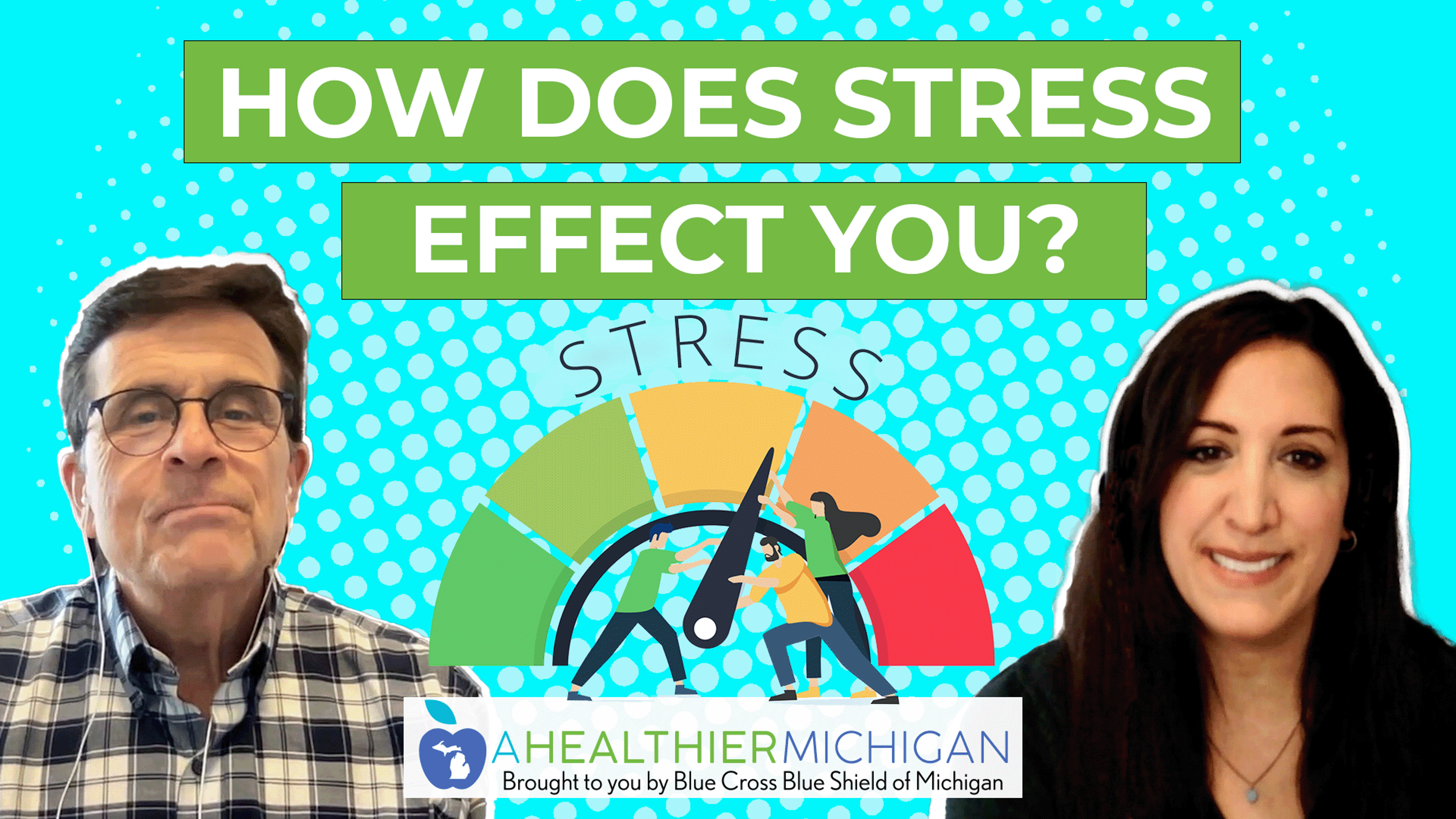
On a recent episode of the A Healthier Michigan Podcast, host Chuck Gaidica and Dr. Angela Seabright, care management physician at Blue Cross Blue Shield of Michigan, dove deep into the impact of stress on both mental and physical health, offering practical advice for managing it in daily life.
Stress and mental health
Stress is a universal experience, but Seabright emphasized that understanding it is key to managing its effects. Unlike anxiety, stress often arises from external pressures like work deadlines, family responsibilities or the rapid pace of life. The body’s natural “fight or flight” response releases hormones like cortisol and adrenaline, which are helpful in short bursts but damaging when activated long-term. Chronic stress, Seabright explained, can lead to inflammation in the brain and increase the risk of mental health disorders such as anxiety, depression and post-traumatic stress disorder.
Children are especially vulnerable, as their developing brains and lack of emotional regulation skills make them more susceptible to the effects of chronic stress, particularly if they experience traumatic events. Left unchecked, these early stressors can influence both mental and physical health well into adulthood.
Stress and chronic conditions
The conversation also touched on the link between stress and chronic conditions. For those already managing illnesses like diabetes or heart disease, ongoing stress can worsen symptoms and make management more challenging. Stress can also fuel unhealthy habits such as overeating, poor sleep, and substance use, creating a cycle that’s tough to break.
Tips for managing stress
So, what can be done? Seabright shared both immediate and long-term strategies for stress relief.
Physical activity stands out as one of the most effective long-term tools, offering both mood-boosting and heart-protective benefits. For immediate relief, she recommends simple breathing exercises, such as box breathing (inhale, hold, exhale, hold for four seconds each) or deep breathing with longer exhales. These techniques help calm the nervous system and can be practiced anywhere.
Mindfulness meditation, self-reflection and nurturing relationships are also crucial. Talking to someone or simply having a supportive presence can make a significant difference. Seabright highlighted the importance of community, noting that authentic connections, not just social media interactions, are linked to happiness and longevity.
Her final advice: Slow down, prioritize real connections, spend time in nature and seek joy to help keep stress in check.
Listen to the podcast, Physical & Mental Effects of Stress, to hear the entire conversation. A Healthier Michigan Podcast is brought to you by Blue Cross Blue Shield of Michigan.
To hear more episodes on your smartphone or tablet, subscribe on Apple Podcast or Spotify or your favorite podcast app.
Photo credit: Blue Cross Blue Shield of Michigan
Related: