Why Am I Still Tired After 8 Hours of Sleep?

Jake Newby
| 4 min read
Jake Newby is a brand journalist for Blue Cross Blue...

Key Takeaways
- Multiple factors can affect a person's sleep needs, including age, diet, medical conditions, medications and more.
- Sleep quantity doesn't always equal sleep quality. Your sleep may not be restorative if your sleep hygiene isn't great.
- Some sleep disorders also interfere with restorative sleep, such as hypersomnia, sleep apnea and more.
- Focusing on your sleep environment and making certain lifestyle changes can improve sleep quality.
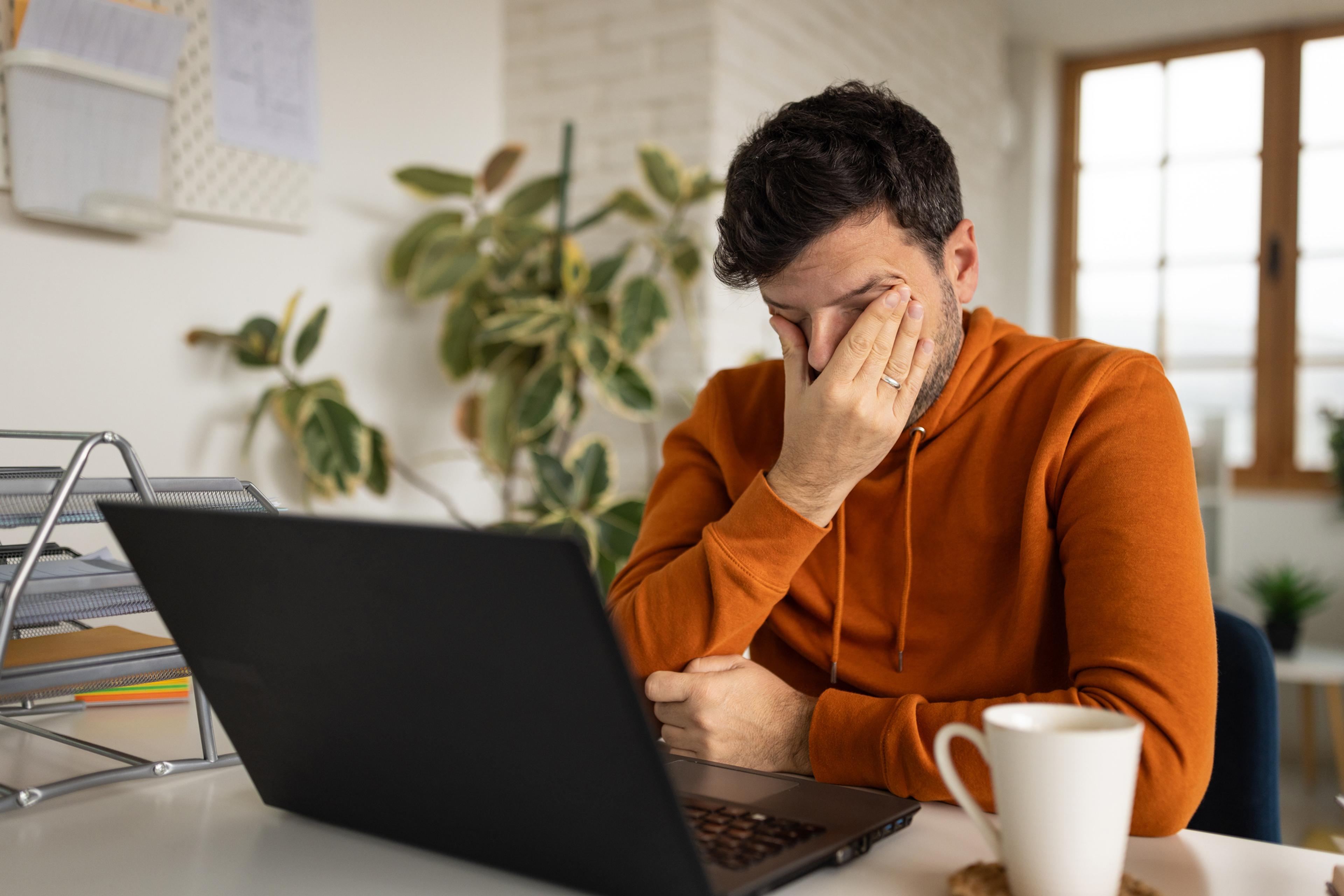
Do you find yourself sleeping a full eight hours multiple times a week only to wake up feeling like you barely slept at all? If so, you’re probably wondering why hitting that benchmark that everyone tells you to strive for isn’t helping you feel refreshed.
Let’s try to answer a question that doesn’t have a one-size-fits-all answer, which is “why do I still feel tired after eight hours of sleep?’
How common is feeling tired after a full night’s sleep?
Surveys and sleep studies often reveal that a significant portion of adults report daytime fatigue – even when they regularly get seven to nine hours of sleep – making it a common problem.
A large sleep study conducted by the JAMA Network found that 27% of adults reported daytime sleepiness – defined as feeling overly sleepy during the day at least five times per month — despite having an average sleep duration of 7.5 to 8.2 hours per night.
Additionally, 72% of adults in the United States said daytime sleepiness sometimes, often or always affected their daily activities, according to a 2025 American Academy of Sleep Medicine survey. Another 56% of respondents said they relied on caffeine, while 46% said they needed naps to stay alert during the day — despite getting adequate sleep the night before.
The through line in these studies and surveys is that sleep duration and sleep quality are not the same thing.
Is 8 hours of sleep always enough?
Even though eight hours is the consensus target, there is no magic amount of sleep that works the same for everyone. Eight hours of sleep may not do for one person what it does for another. Some people need closer to nine hours to function well, while others feel fine with seven.
Sleep needs can change based on multiple factors that may influence your sleep-wake cycle, according to the National Institute of Neurological Disorders and Stroke (NINDS), including:
- Age
- Diet
- Medical conditions
- Medications
- Sleep environment
- Stress
If you’ve been sleep-deprived for weeks or months, one or two nights of eight-hour sleep may not be enough to pay back that sleep debt. The same goes for attempting to “catch up” on sleep over the weekend. The NINDS states sleeping longer on the weekends may not be enough to make up for sleep you have missed.
Sleep quantity does not equal sleep quality
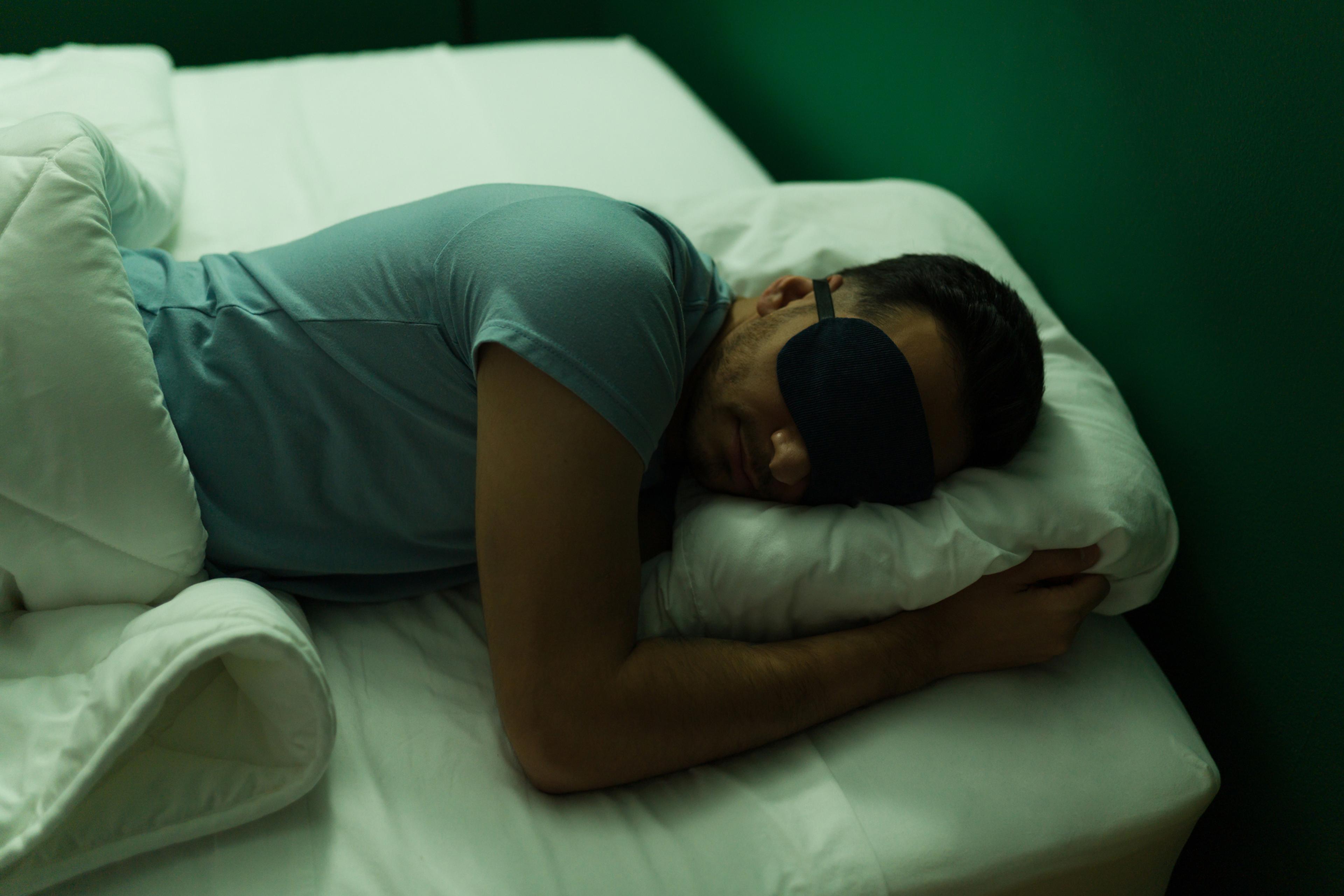
You can spend eight hours in bed and still miss out on the most restorative stages of sleep.
Things that commonly disrupt sleep quality include:
- Frequent brief awakenings you don’t remember
- Caffeine or alcohol before bed
- Excessive screen time usage before bed
- Sleeping in a room that’s too warm, noisy or bright
- Stress or anxiety that keeps your nervous system on high alert
- Exercising within two hours of bedtime
- Having variable work shifts, including more night shifts
Even small disruptions can reduce deep sleep and REM sleep — the stages that help you feel sharp, refreshed and restored the next day.
Is it poor sleep or a sleep disorder?
Conditions that commonly interfere with restorative sleep include:
- Hypersomnia, which is any condition that makes you feel extremely sleepy during the day. This can happen even when you get a healthy amount of sleep, according to the Cleveland Clinic.
- Sleep apnea, which causes brief breathing interruptions during the night.
- Restless legs syndrome or nighttime limb movements.
- Iron deficiency, low B12 or thyroid problems.
- Depression or chronic stress.
People with these sleep disorders may sleep for up to eight hours, but they do not get consistent, restful REM sleep and their body rarely recharges. If you exhibit signs or symptoms of these conditions, schedule an appointment with your primary care provider (PCP) to start the process of finding a solution.
The importance of sleep hygiene: how to feel more rested without sleeping more
If you’re tired after eight hours of sleep, the goal isn’t always more sleep – it’s better sleep.
Focusing on your sleep environment and making some lifestyle changes can help ensure that the sleep you do get is quality. Here are some tips:
- Create an optimal sleep environment that accounts for temperature and darkness. Typically, the ideal sleeping temperature is between 64° to 68° Fahrenheit.
- Get regular exercise during the day, which can improve sleep quality, help you fall asleep faster and relieve stress, according to studies.
- Go to bed and wake up at the same time each night and keep that same schedule on weekends.
- Limit alcohol intake and avoid alcohol consumption late at night; alcohol can significantly reduce or delay REM sleep.
- Abstain from caffeine at least six hours before bed.
- Limit screen time and disconnect from devices up to two hours before bed.
- Avoid sleep aids; some antidepressants, sleeping pills and other medications can reduce or suppress REM sleep, even those available over the counter. Only take sleep-related medications approved and prescribed by your PCP.
- When you find yourself unable to sleep, don’t just lie in bed. Get up and do something that does not involve blue light or exercise, such as reading a book or doing small chores.
Related:
Photo credit: Getty Images