What to Know About the U.S. Losing its Measles Elimination Status

Jake Newby
| 4 min read
Jake Newby is a brand journalist for Blue Cross Blue...
Key Takeaways
- The U.S. lost measles elimination status after a single outbreak strain spread continuously for 12 months, signaling ongoing transmission.
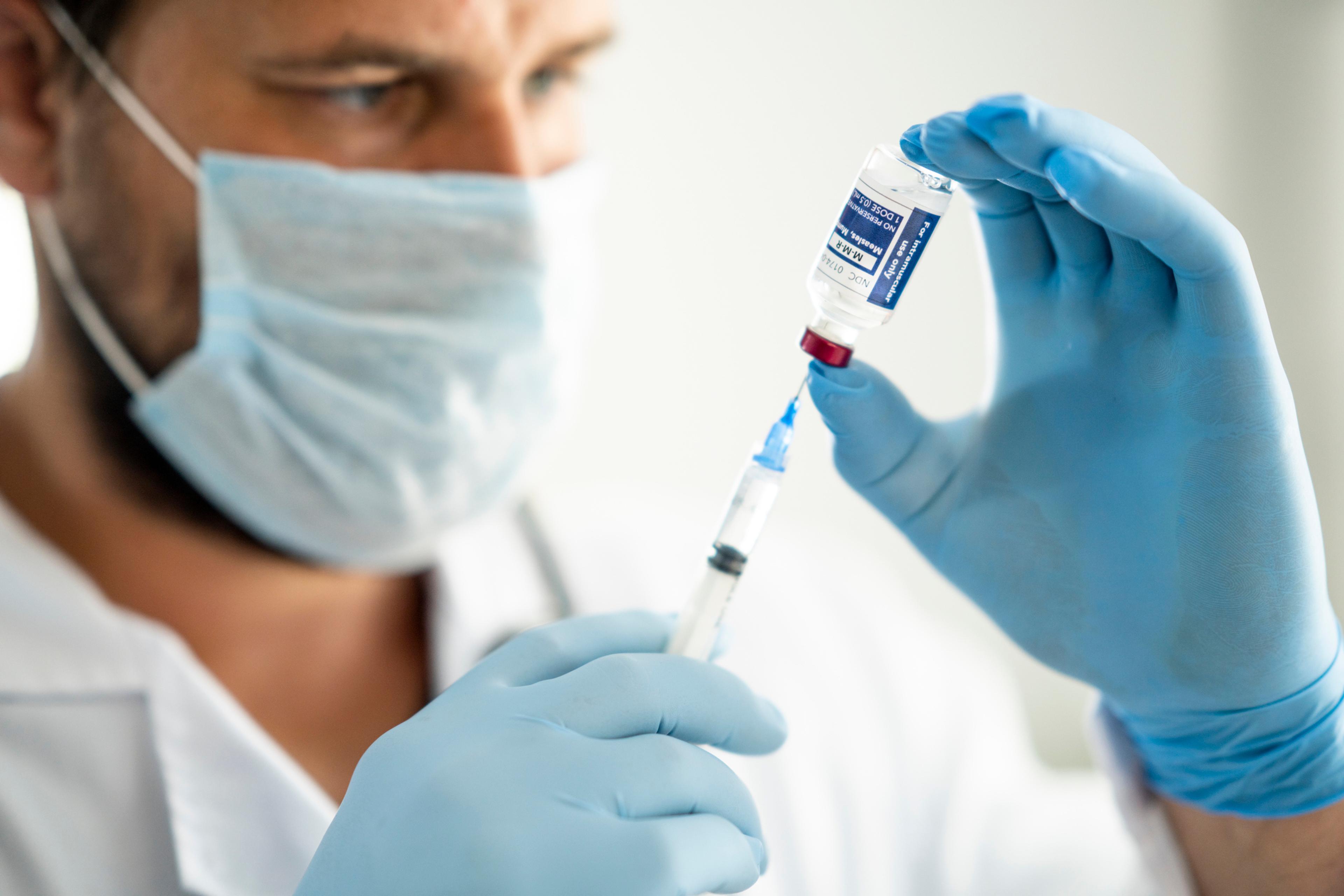
- Two doses of the MMR vaccine remain more than 97% effective and are the strongest protection against measles.
- Michigan has reported 37 measles cases in 2026, including 24 cases linked to recognized outbreaks.
- Experts recommend reviewing your vaccination status with a healthcare provider, especially if you're unsure about your immunity.
The United States has officially lost its measles elimination status for the first time since 2000.
While that may sound alarming, the designation itself is not worth panicking over, according to health experts, since the designation itself is not what protects people from the disease. Despite active outbreaks, the risk is still low among most populations in the U.S. High vaccination rates and rapid outbreak response remain the most important tools for preventing measles from spreading.
A country loses measles elimination status when the same measles virus strain spreads continuously for at least 12 months, according to the Pan American Health Organization (PAHO). In the U.S., the outbreak linked to the loss of status began on Jan. 20, 2025, and crossed the 12-month threshold in January 2026.
Should I get a measles booster shot?
Losing elimination status does not mean measles is widespread everywhere in the country. Instead, it means measles transmission persisted long enough to be considered endemic again. PAHO describes this as a significant public health setback because prolonged transmission increases the risk of preventable illness, hospitalization and death.
In the wake of the news, health experts recommend checking your immunity and/or vaccination status. Reach out to your primary care provider (PCP) for a record of your immunization status.
If you were born before 1957 or know for certain that you had the measles at some point, you are almost certainly immune. If you are unsure, your PCP can either do blood tests to check for antibodies and immunity or boost your immunity with a vaccine dose. Getting vaccinated against measles – even if you had the disease previously – is considered low risk and high reward. You should not expect to experience short-term or long-term side effects.
Two doses of the MMR vaccine are more than 97% effective at preventing measles, while one dose is about 94% effective. Public health experts generally recommend maintaining community vaccination rates of at least 95% to help prevent outbreaks and protect those who cannot be vaccinated.
What to do if I think I was exposed to measles?
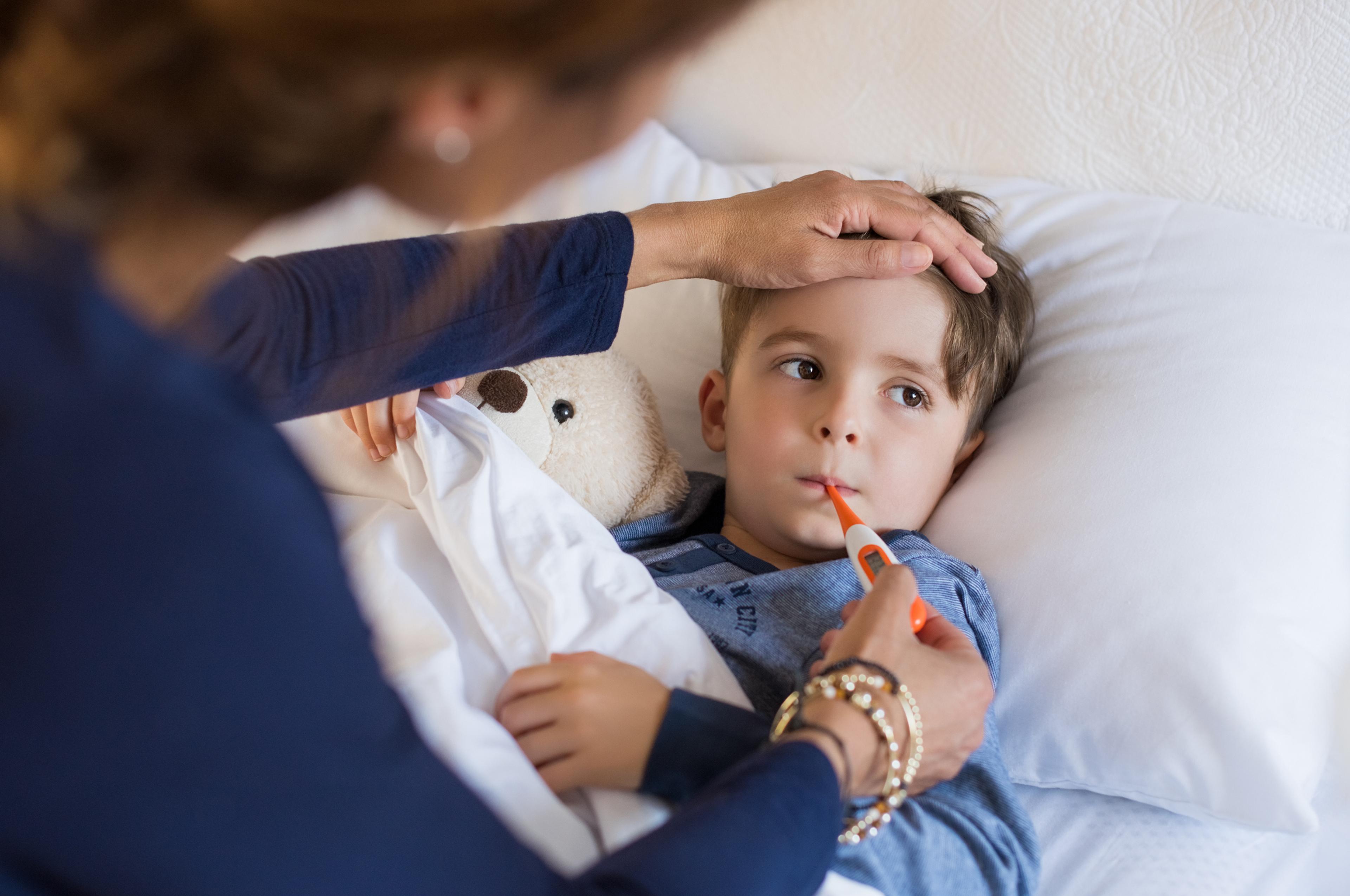
If you believe you have been exposed to an active measles outbreak and have experienced symptoms such as rash, fever, cough, red or irritated eyes and a runny nose, you should isolate yourself as much as possible.
Refrain from visiting your PCP or any other healthcare provider in person as the disease is contagious and instead, call for guidance. If you are in serious distress and believe an in-person visit is necessary, inform providers of your condition ahead of time; there are isolation procedures providers prepare for prior to your arrival.
Why measles is making a comeback
Among vaccine-preventable diseases, measles is especially concerning because it spreads so easily. The virus can linger in the air for up to two hours after an infected person leaves a room, according to the U.S. Centers for Disease Control and Prevention (CDC), and one infected individual can spread it to most unvaccinated people nearby. Measles can cause pneumonia, brain swelling, hearing loss and in rare cases, death.
Health experts point to several factors behind the resurgence of measles. Declining vaccination rates, pandemic-related disruptions to routine childhood immunizations, vaccine hesitancy and international travel are considered the top contributors. Vaccination coverage among U.S. kindergarteners fell from 95.2% in the 2019-2020 school year to 92.7% in 2023-2024, per the CDC, creating new pockets of vulnerability.
A reminder about measles risks
Measles remains one of the most contagious diseases in the world. PAHO estimates that one infected person can spread the virus to 12 to 18 others in a population without immunity. The virus can spread before symptoms are recognized, making outbreaks difficult to contain.
According to the Michigan Department of Health and Human Services, Michigan has experienced 37 total cases of measles in 2026 and 24 outbreak cases. An outbreak case is a measles case that is linked to a recognized outbreak. The CDC defines a measles outbreak as three or more related cases connected through transmission.
Measles symptoms typically appear one to two weeks after exposure. The disease can be especially serious for young children, pregnant women, older adults and people with weak immune systems. About 20% of unvaccinated people who contract measles require hospitalization.
The CDC says regaining elimination status is possible. Federal officials have committed approximately $100 million in additional funding to support outbreak response, vaccination efforts, surveillance and laboratory capacity nationwide. The agency is also working with state and local health departments to identify communities with vaccination gaps and improve access to the measles, mumps and rubella (MMR) vaccine.
Photo credit: Getty Images
More from MI Blue Daily: