What is Floor Time, the Viral Mental Health Trend?

Lindsay Knake
| 4 min read
Lindsay Knake is a brand journalist and project plan...
Key Takeaways
- Floor time is a simple wellness practice that involves lying quietly on the floor to disconnect from stress, screens and daily demands.
- While research on floor time is limited, mindfulness and relaxation techniques linked to it may improve focus, emotional regulation and well-being.
- Combining floor time with deep breathing exercises can help activate the parasympathetic nervous system and encourage a calmer physical response to stress.
- Whether practiced for five or 30 minutes, floor time offers an accessible way to slow down, reduce overstimulation and reconnect with the present moment.
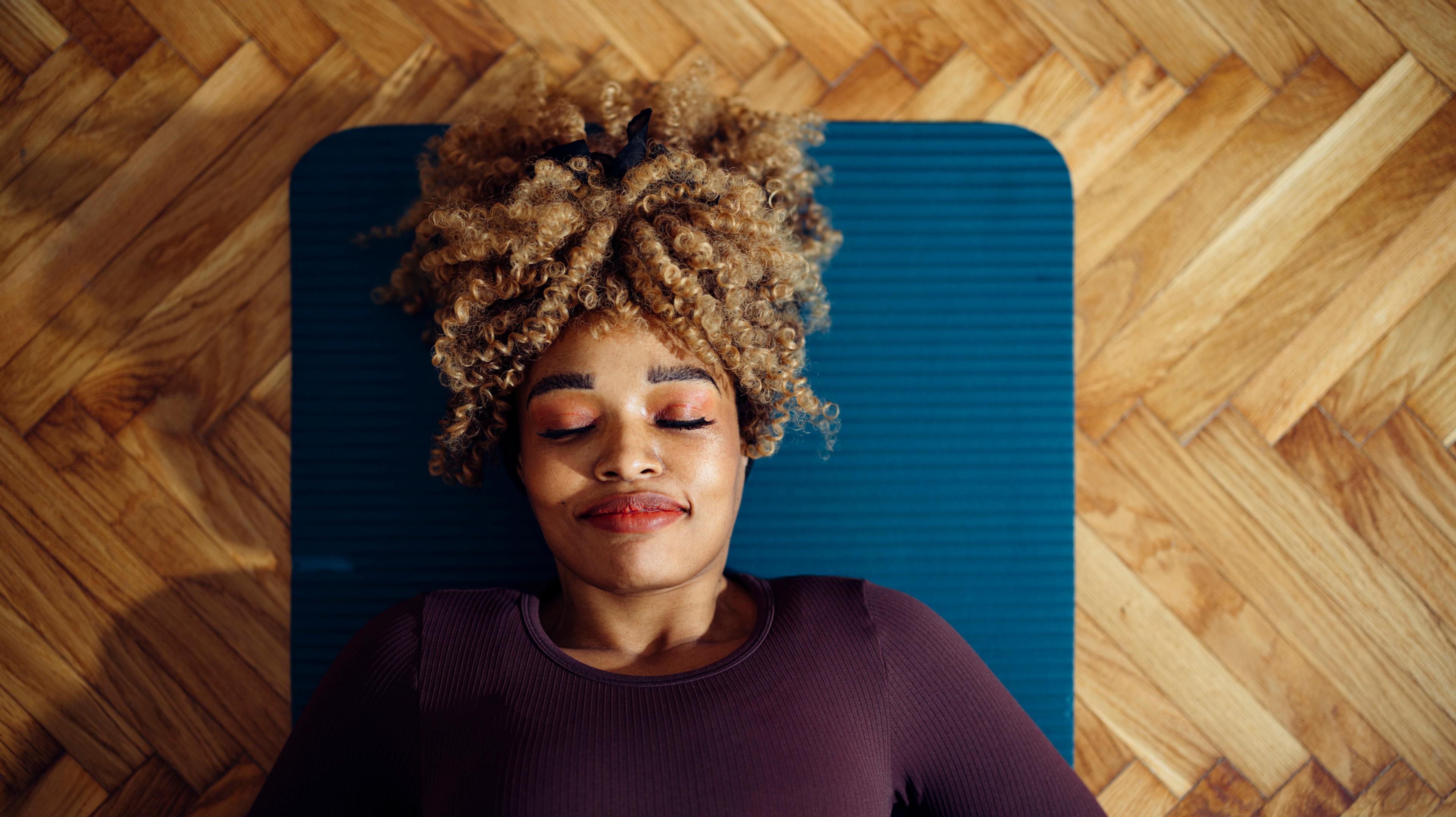
You may have seen people lying on the floor in a viral social media trend. They aren’t scrolling on their phones, watching TV or engaged in any other activity.
It’s called “floor time," and many turn to it as a mindfulness practice for anxiety. Floor time is exactly what it sounds like: lying on the floor and doing nothing else. There are tens of millions of views on TikTok, shown as a simple a way to unwind and relax from stress and overstimulation.
People looking for a way to regulate their nervous system have engaged in the trend and many report feeling like a kid afterwards. Let’s look at floor time, any possible benefits and how you can try it:
What is floor time?
Lying quietly has long been part of mindfulness and relaxation practices. In yoga, it’s called Shavasana, which means “corpse pose.” This pose, typically done at the end of a yoga session, involves lying on your back with your arms at your sides.
But sometimes, during times of chronic stress and overwhelm, self-care, mindfulness practices or exercise can feel like another chore. Some people even experience a “functional freeze,” or a feeling of “freezing up” mentally, physically and emotionally when you must start tasks.
Giving yourself permission to do nothing, however, can be a way to step away from busyness and improve your well-being. The Dutch have the concept of Niksen, or “the art of doing nothing.”
There isn’t research specifically on floor time, but the practice encompasses other mindfulness and relaxation practices.
What are the possible benefits of floor time?
Mindfulness and relaxation
Floor time is a stress relief technique that can allow you to rest for a few minutes without scrolling on a phone, listening to music or podcasts or watching TV. This gives your brain a chance to be in the present moment, which has benefits such as:
- Reduced stress and rumination
- Improved focus
- Less emotional reactivity
- More cognitive flexibility
- Increased relationship satisfaction
During floor time, you could also add in a body scan meditation or progressive muscle relaxation.
Deep breathing and stress relief
When you are stressed, your sympathetic nervous system is activated and releases stress hormones. This causes the “fight, flight, freeze or fawn” response. One way to regulate your nervous system is through deep breathing exercises to stimulate the parasympathetic nervous system, which helps your body return to a normal, relaxed state.
Using a breathwork technique during floor time can help lower heart rate and blood pressure. Tryone of these exercises:
- 4-7-8 breathing: inhale for 4 seconds, hold for 7 seconds, exhale for 8 seconds
- Box breathing: inhale, hold, exhale and hold for 4 seconds each
- Diaphragmatic breathing: breathing deeply by engaging your abdominal muscles, inhaling through your nose and exhaling through your mouth
How to practice floor time
Here is how you can practice floor time:
- Find a comfortable spot on the floor, on carpet, a rug or yoga mat.
- Lie in whatever way feels good to you, such as on your back or side. If your back hurts, you could draw your knees up and place your feet on the floor.
- Close your eyes or soften your gaze.
- Breathe deeply, either with slow, even breaths or using a breathing exercise.
- If you want, add a body scan or progressive muscle relaxation exercise.
- Relax for as long as you need, from 5 to 30 minutes.
- When you are ready to stop, notice how you feel mentally, physically and emotionally.
- Get up slowly before returning to your daily activities.
Floor time FAQs
Is floor time good for anxiety?
While floor time is not a treatment for anxiety, spending a few minutes resting quietly and focusing on breathing may help reduce stress and promote relaxation.
How long should you do floor time?
Many people practice floor time for five to 30 minutes, although even a few minutes of intentional rest may be beneficial.
Can floor time help with overstimulation?
Taking a break from screens, noise and constant activity may help some people feel less mentally overwhelmed and more grounded.
Is floor time the same thing as meditation?
Not exactly. Floor time is simply resting on the floor and doing nothing, though it can incorporate meditation, mindfulness or breathing exercises.
Image: Getty Images