How Effective is a Heating Pad for Cramps?
Lindsay Knake
| 3 min read
Lindsay Knake is a brand journalist and project plan...
Key Takeaways
- Applying heat can help relieve muscle cramps by increasing blood flow and bringing oxygen to the tissue.
- Other ways to manage cramps include taking ibuprofen or acetaminophen, stretching and massaging the affected muscles, and hydrating with water or adding electrolytes during exertion.
- If none of these methods help relieve cramps, seek medical attention if you have full body cramps, severe or unbearable pain from muscle cramps, swelling or numbness.
When you are dealing with muscle cramps, it can be difficult to do anything else. Muscle cramps are common but can be uncomfortable or even painful.
Taking medication such as ibuprofen or acetaminophen can help relieve pain, but what about applying heat? Here is a look at what causes muscle cramps, whether heat is effective and other ways you can manage muscle cramps.
What causes muscle cramps?
Muscle cramps, also known as spasms, are when a muscle involuntarily and uncontrollably contracts and doesn’t relax. They are common, especially for women during their menstrual period and pregnancy, athletes, people doing hard labor and people older than age 65, according to the Cleveland Clinic.
Fatigue, exertion, long stretches of sitting and dehydration are common causes of cramps. For women on their period, the cramps are called dysmenorrhea, which is caused from the uterus contracting to shed the lining. These can be mild to severe. Pregnant women can experience cramps as their body changes and muscles and ligaments stretch.
Muscle cramps typically aren’t harmful or a sign of a more serious condition, but talk to your primary care provider (PCP) if you have severe cramps that interfere with your daily life or chronic cramps, which could be a sign of a neurological condition.
How effective is a heating pad for cramps?
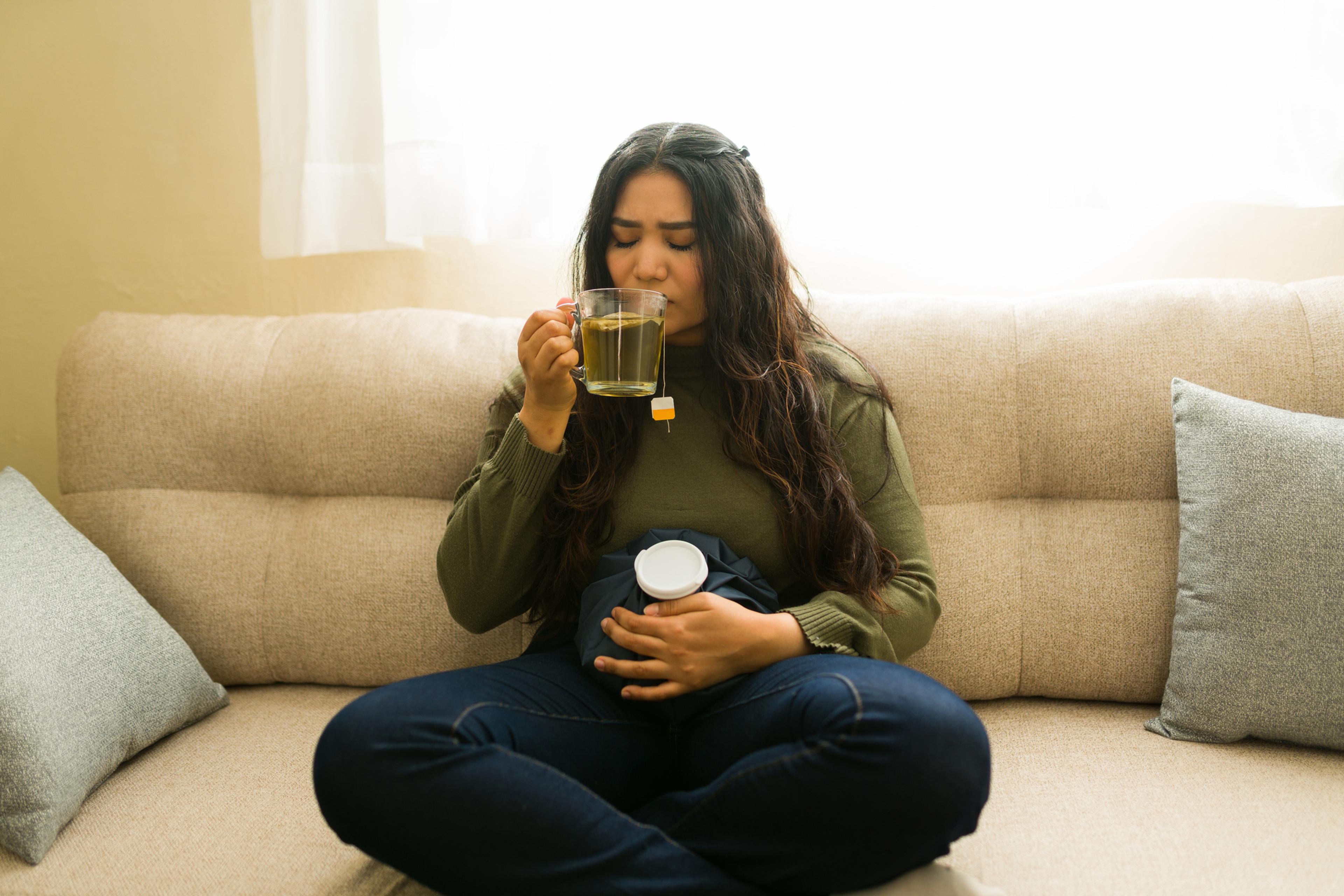
Applying heat can help soothe cramping muscles. Heat helps contracting muscles relax by increasing blood flow and bringing oxygen to the tissue, per the Cleveland Clinic. A meta-analysis of small studies on heat therapy for menstrual cramps found heat is more effective than no heat.
Heat therapy can raise a person’s pain threshold, according to Harvard Health.
While a heating pad is easy and convenient, there are other ways to get relief from heat. Stick-on heating wraps can help you when you’re unable to lie down.
Moist compresses, such as a warm and wet washcloth or towel, may be a more efficient way to transfer heat to your body, according to Harvard Health. You can put a moist towel in a plastic bag to keep it warm for a longer period of time.
Taking a hot shower or bath is another good way to relax your muscles.
Applying heat to the body increases muscle tissue by 9 degrees to 12 degrees Fahrenheit. Heating pads or any other source of heat should not be hotter than 113 degrees; a temperature higher than 122 degrees can cause burns. With a heating pad, keep a towel or cloth between the heat source and your skin.
Other ways to help manage cramps include:
- Take ibuprofen or acetaminophen.
- Stretch your muscles.
- Massage the affected muscles.
- Get regular exercise, but be careful of exercising in the heat.
- Hydrate with water or add electrolytes during exertion.
- Eat a healthy diet to get vitamins and minerals such as Vitamin D, calcium and magnesium.
- Talk to your PCP about contraception that could help with severe menstrual cramps.
If none of these help relieve cramps, and you have full body cramps, severe or unbearable pain from muscle cramps, swelling or numbness, seek medical attention.
Image: Getty Image
Related: