The Eyes and Ears of the Court: How CASA Volunteers are Changing the Future for Foster Kids in Oakland County

Jake Newby
| 5 min read
Jake Newby is a brand journalist for Blue Cross Blue...
Key Takeaways
- Since child welfare case workers often are spread thin with dozens of cases at once, court appointed special advocates (CASAs) can step in and devote attention to a few children at a time.
- A CASA remains on each case until it is closed and the child they are advocating for is placed in a safe, permanent home.
- A BCBSM Foundation grant helped the CARE House of Oakland County train new volunteers in 2025, allowing the program to increase its average of 105 children paired with a CASA to 133 children with a CASA.
Court Appointed Special Advocates (CASAs) are sometimes known as the eyes and ears of the court room. Appointed by a judge or referee to advocate for children’s best interests, a CASA remains on each case until it is closed and the child they are advocating for is placed in a safe, permanent home.
With help from the Blue Cross Blue Shield of Michigan (BCBSM) Foundation, the CARE House of Oakland County recruited new CASA volunteers in the last year to be the eyes and ears for children who typically do not have anyone to advocate on their behalf.
Judges in family courts often make life-altering decisions based on reports and short hearings. Since child welfare case workers often are spread thin with dozens of cases at once, CASAs can step in and devote attention to a few children at a time. CASAs gather firsthand observations – such as how the child is doing in school, their emotional state and whether a placement appears stable – and report these findings directly to a judge. Without this level of advocacy, decisions that shape a child’s future can rely too heavily on paperwork.
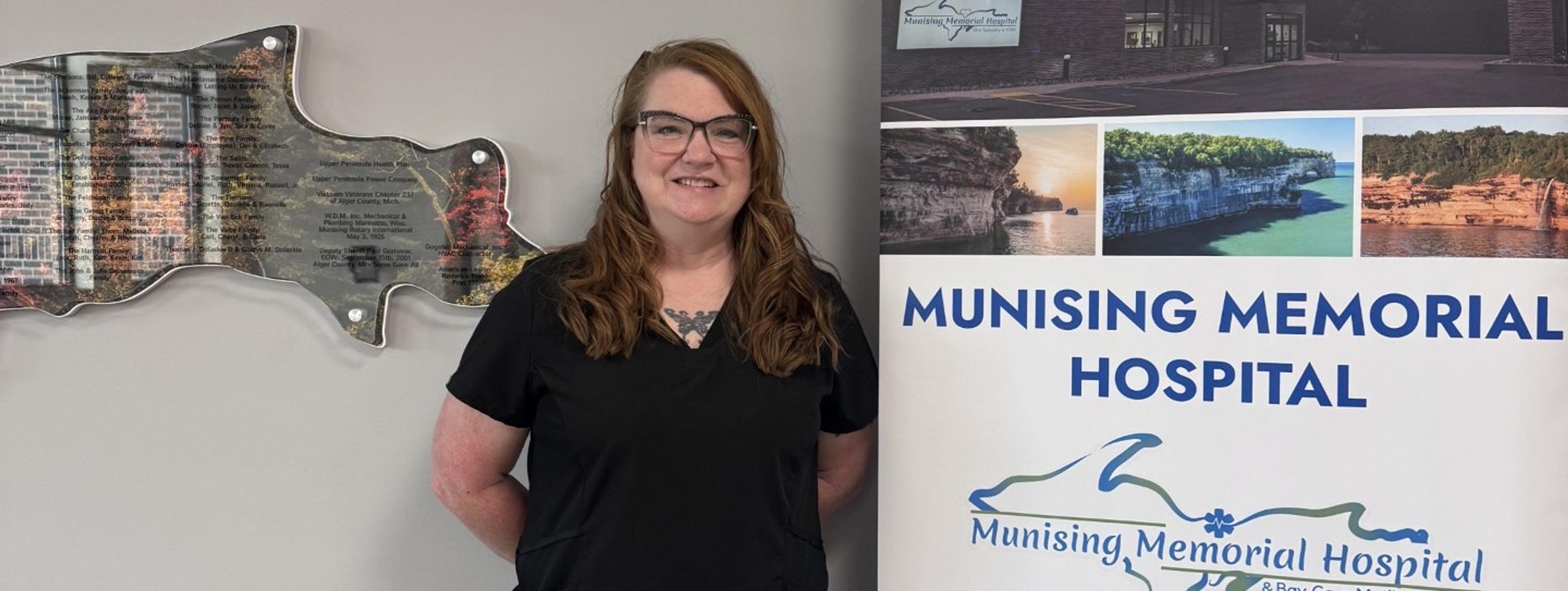
“Having a CASA that is present for them reassures children that they are not forgotten,” said Michelle Watson, who is the lead case manager of the CARE House’s CASA program.
A $30,000 BCBSM Foundation Community Health Matching grant helped the health professionals at the CARE House provide 30 hours of training to new volunteers over a nine-week span in 2025, allowing the program to increase its average of 105 children paired with a CASA to 133 children.
“We were able to train the appropriate number of volunteers needed,” Watson said. “Being able to get that help and bring in more CASAs allowed us to touch more lives – not just in the moment but in the long term.”
The CARE House of Oakland County – a child advocacy center committed to preventing abuse and promoting healing – now averages from 75 to 80 CASA volunteers on its roster to advocate for the nearly 700 kids in Oakland County who are in foster care. Many volunteers have health care and legal backgrounds and are retired physicians, attorneys, and social workers.
“We’re doing phenomenal work, and we’re just so thankful for the volunteers that come,” Watson said.
How the CARE House of Oakland County CASA program helps chip away at statewide ACEs scores
One of the main goals for the CARE House is to reduce the Adverse Childhood Experiences (ACEs) scores of the 10,000 children in the foster care system throughout Michigan. ACEs are potentially traumatic events that occur in a child’s life from age 0 to17. An ACEs score is a tally of differing types of abuse, neglect and household dysfunction experienced before age 18, ranging from 0 to 10. Each of the ten categories count as one point. Higher scores correlate to a greater risk of adult health problems, including chronic conditions and mental health issues.

ACEs events can undermine a child’s sense of safety, stability and bonding and lead to issues later in life, like substance use and mental health problems. Examples, courtesy of the Centers for Disease Control and Prevention (CDC) include:
- Experiencing violence, abuse, or neglect.
- Witnessing violence in the home.
- Having a family member attempt or die by suicide.
“When a child experiences ACEs, over 44% of those children develop depression,” Watson said. “That also causes them to withdraw, do poorly in school, create behavioral issues and develop abandonment issues within themselves. Being able to train our volunteers to become more educated in the ACEs field, I truly believe, will help reverse health disparities within our children.”

‘If I didn’t have a CASA, where would I be?’
When meeting with a child who had been placed in a residential facility for multiple years, a CARE House CASA volunteer noticed the child speak about a family member that CASA had not heard the child mention during any court proceeding.
“We took that information, dug a little bit deeper and found this family member,” Watson said. “So, what happened with our CASA kiddo was not just a reunification with family and an aunt who adopted her, but also an outpouring of community support. The community blessed her with a dream room makeover. She was ecstatic and her life began to turn around. Her grades (got better), her confidence increased. She once told CASA, ‘If I didn’t have a CASA, where would I be?’”
This is one of many CASA success stories that has touched Watson personally. She added that the dream room gave the young lady serenity and hope and a level of self-confidence she didn’t have before.
“That was so rewarding to see that happen,” Watson said.
“The unfortunate reality is children in the foster care system do not always have a voice in court. But CASAs can give them that voice,” said BCBSM Senior Program Officer, Dr. Melissa Boguslawski. “It’s a credit to the CARE House of Oakland County to recognize how integral CASAs are in changing the trajectory of these children’s lives by investing in the resources needed to train more volunteers.”
Visit the CARE House of Oakland County’s website to learn more about the CASA program and its overall impact. And learn more about the BCBSM Foundation’s Community Health Matching grant program by clicking here.
Photo credit: BCBSM