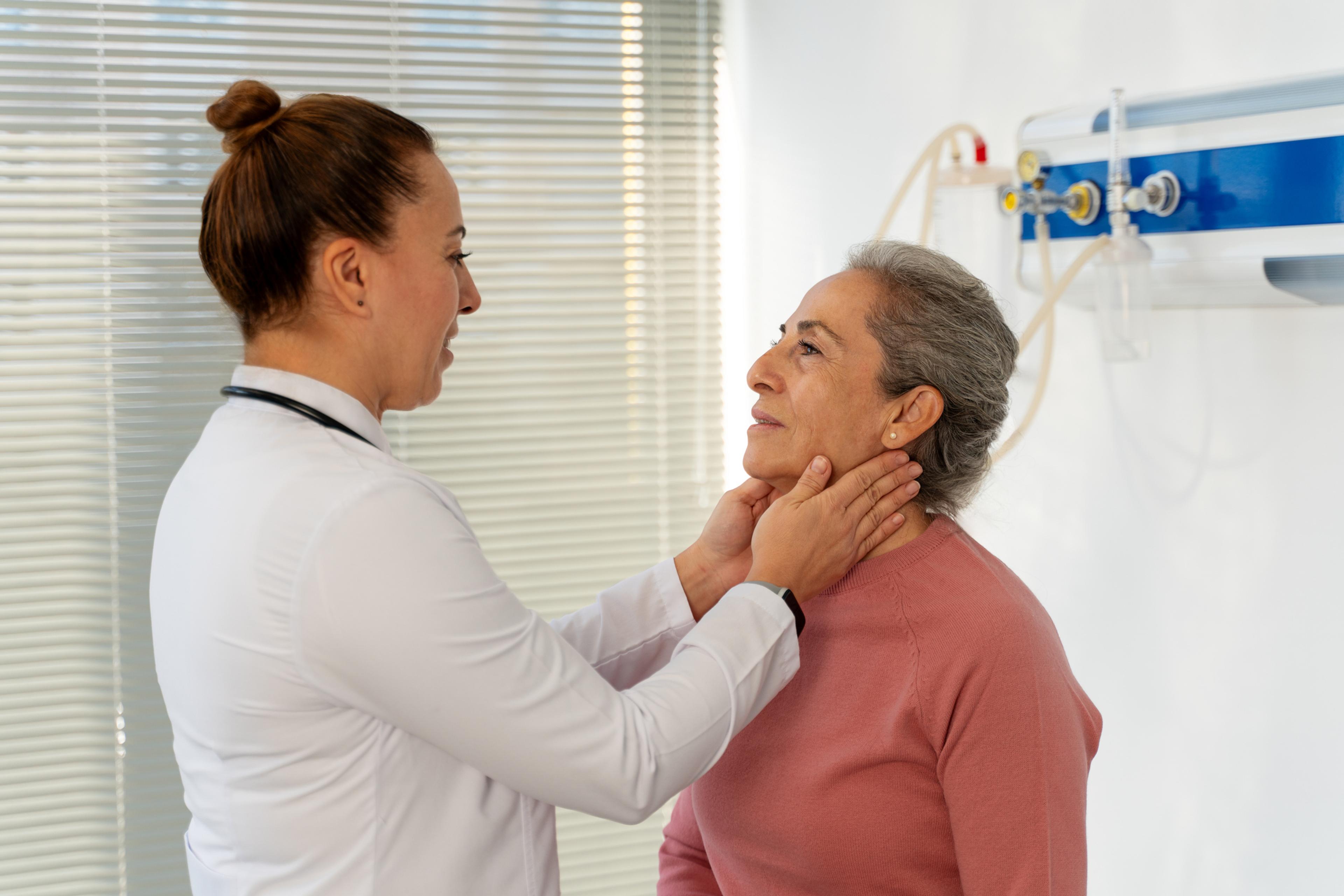
Breast Cancer and Bone Health: What is the Connection?
Lindsay Knake
| 3 min read
Lindsay Knake is a brand journalist and project plan...

Key Takeaways
- Breast cancer treatment can increase the risk of bone loss. Chemotherapy, radiation and hormone therapies may reduce estrogen levels, contributing to osteopenia and osteoporosis in breast cancer survivors.
- Bone health monitoring is an important part of breast cancer care. Regular bone density screenings, including DEXA scans, can help detect bone loss early and guide treatment decisions before, during and after cancer therapy.
- Healthy lifestyle habits can help protect bones. Weight-bearing exercise, adequate calcium and vitamin D intake, avoiding tobacco and excessive alcohol use, and practicing fall prevention can support bone strength and reduce fracture risk.
About 1 in 8 women will develop breast cancer in their lifetime, according to the American Cancer Society.
Going through treatment for breast cancer can also increase your risk of bone loss or developing osteoporosis. If you or a loved one are receiving breast cancer treatment, understanding this effect on bone health can help you take steps to protect your bone health and stay healthy.
The connection between breast cancer and bone health
A loss of bone density and strength is already common among all women. Osteoporosis, which affects about 15% of women, is caused by a loss of calcium and phosphorus in bones. This creates weaker bones and a higher risk for fractures. Osteopenia, the name for reduced bone density, is a precursor to osteoporosis and affects about half of all woman age 50 and older. One of the main reasons for this is the lower levels of estrogen that come from menopause. This hormone is a key factor in bone health and strength.
Breast cancer may also increase your likelihood of dealing with weaker bones. While the cancer does not cause low bone density, chemotherapy and other treatments can lead to bone density loss because they can affect estrogen levels, per the Breast Cancer Research Foundation (BCRF). One treatment used to target hormone receptor-positive breast cancer in women who are postmenopausal is aromatase inhibitors, and this can lead to bone mineral loss. Chemotherapy can damage the ovaries, which produce estrogen, or directly cause bone loss. Radiation therapy can also increase the risk of bone loss.
In a 2018 study published in Springer, researchers looked at bone loss in 211 breast cancer and 567 cancer-free women who have a risk for breast cancer. Nearly 6 years later, the breast cancer survivors had a 68% higher risk of osteopenia and osteoporosis compared to women who don’t have cancer.
Supporting your bone health
Healthcare providers are aware of the connection between breast cancer and bone loss, and monitoring bone loss through cancer treatment is common, according to the BCRF. The gold-standard for checking bone health is the dual-energy X-ray absorptiometry (DEXA) scan you before, during and after treatment, according to the American Cancer Society.
If you have breast cancer, find out if you have family history of osteopenia or osteoporosis. Talk to your care team about how cancer treatments could affect your bone health, including risk of fractures. It’s also helpful to know the symptoms of low bone density, which include:
- Back pain
- Painful or stuff joints
- Unusual loss of height
- Stooped posture
- Easily fracturing or breaking a bone
There are medications that can support bone density, and lifestyle habits are key to support bone health. Here are some things you can do for your bone health:
- Don’t smoke, as tobacco products can lower bone mass.
- Avoid alcohol, especially in excess, as this can increase breast cancer risk and is connected to lower bone mass.
- Increase exercise, especially weight-bearing exercises and strength training, which can trigger bone-building cells to make new tissue. Get at least 150 minutes of aerobic exercise like walking and do two days of strength training per week.
- Increase calcium, magnesium, phosphorous and vitamin D levels in your diet through salmon, sardines, eggs, dark leafy greens, dairy and fortified foods.
- Take dietary supplements of calcium and vitamin D. Talk to your healthcare provider about taking supplements.
- Practice fall prevention, including wearing well-fitting shoes and reorganizing your living space.
Photo credit: Getty Images